
Household Furniture Using PP LFT: Stronger, Lighter and More Sustainable Furniture Solutions
PP LFT for Household Furniture
Household furniture is expected to do much more than look attractive. It must support everyday loads, withstand repeated use, retain its shape, resist wear and enable efficient manufacturing. At the same time, Unfilled PP often struggles with strength, warpage, and cycle time. PP SGF grades improve performance but compromise surface appearance and increase costs. Manufacturers need a solution that balances strength, aesthetics, and affordability—without requiring new molds or machines.
PP Long Fiber Thermoplastics (PP LFT) offer a high-performance material solution for meeting these evolving requirements.
By combining a polypropylene matrix with long fiber reinforcement, PP LFT delivers an effective balance of strength, stiffness, impact resistance, lightweighting, design flexibility and recyclability. These properties make it a promising material for structural and functional components used in household furniture.
At SKYi, our expertise in fiber-matrix chemistry, morphology and rheology supports the development of advanced Long Fiber Thermoplastic solutions engineered for demanding applications. SKYi’s LFT materials are designed to provide durability, efficient processing and lightweight performance while enabling manufacturers to explore new possibilities in furniture design.
What Is PP Long Fiber Thermoplastic?
PP LFT, or Polypropylene Long Fiber Thermoplastic, is a composite material in which long reinforcing fibers are embedded within a polypropylene polymer matrix.
The long fibers help reinforce the polypropylene structure and improve important mechanical properties such as:
• Strength & Stability: Increased load-bearing capacity reduces leg spreading, enabling easier handling and better stackability.
• Dimensional Control: Lower warpage compared to unfilled PP.
• Efficiency: Reduced molding cycle time for higher productivity.
• Aesthetics: Excellent surface appearance with full colorability, outperforming PP SGF.
• Cost Optimization: Raw material cost at par or lower than PP SGF.
• Process Compatibility: Ideal for gas assist molding with enhanced melt strength and smooth surface finish.
Unlike conventional unfilled polypropylene, PP LFT is engineered to provide enhanced structural performance while retaining the processing and design advantages associated with thermoplastic materials.
The performance of an LFT component depends not only on the amount and type of reinforcement but also on factors such as fiber length, fiber orientation, fiber distribution and the quality of bonding between the fiber and polymer matrix. These material characteristics can be optimized according to the functional requirements of a furniture component.
Why Is PP LFT Suitable for Household Furniture?
Household furniture experiences a wide range of loads during its service life. Chairs are subjected to repeated sitting and impact loads. Tables must maintain stability under weight. Storage units require strong frames and durable support structures. Outdoor furniture may face moisture, temperature changes and prolonged exposure to sunlight.
PP LFT can help manufacturers address these requirements through a combination of mechanical performance and manufacturing versatility.
1. High Strength with Lower Weight
Furniture manufacturers often need materials that provide structural strength without adding unnecessary weight.
The long-fiber reinforcement in PP LFT improves the material’s ability to carry loads and resist deformation. This enables the development of lighter furniture components without compromising essential strength and stability.
Lower component weight can offer several advantages:
• Easier handling during manufacturing
• Improved transportation efficiency
• Easier assembly and installation
• Greater convenience for consumers
• Reduced material use in optimized designs
For furniture manufacturers, lightweighting can support both product performance and operational efficiency.
2. Improved Stiffness and Structural Stability
Furniture components must retain their shape under regular use. Excessive bending, flexing or deformation can affect product quality, appearance and user confidence.
PP LFT can provide enhanced stiffness compared with conventional polypropylene. This makes it suitable for components that require greater structural integrity, including chair frames, seat structures, table supports and load-bearing furniture elements.
The long-fiber network helps distribute mechanical loads throughout the component, supporting improved dimensional stability and long-term performance.
3. High Impact Resistance
Household furniture is exposed to accidental impacts, sudden loads and repeated handling. Chairs may be moved frequently, storage units may be bumped, and furniture can experience impact during transportation and installation.
PP LFT is designed to provide a balance of stiffness and toughness. Long-fiber thermoplastic composites are valued for their ability to withstand repeated mechanical forces while retaining structural performance.
This makes PP LFT a strong candidate for furniture components that require durability under everyday use.
4. Greater Design Freedom
Modern furniture design often combines functionality, aesthetics and efficient use of space. Manufacturers may require complex shapes, integrated features and components that perform multiple functions.
PP LFT can support the production of complex geometries through thermoplastic processing methods. Depending on the component design and material grade, multiple functional features may be integrated into a single molded part.
Potential design opportunities include:
• Integrated ribs for improved stiffness
• Reinforced mounting points
• Molded fastening features
• Ergonomic contours
• Structural supports
• Integrated handles
• Decorative surface features
This design flexibility can help reduce the number of separate components and simplify assembly.
5. Efficient Manufacturing
Thermoplastic materials can support efficient, repeatable manufacturing processes. PP LFT compounds can be engineered for suitable flow behavior, fiber distribution and processing performance.
SKYi uses its understanding of material morphology and rheology to support the development of LFT solutions that balance mechanical performance with processability. Processing aids can help improve melt behavior and support efficient production.
For furniture manufacturers, optimized processing may contribute to:
• Consistent component quality
• Efficient production cycles
• Reduced assembly requirements
• Lower manufacturing complexity
• Greater design repeatability
Material selection should always be aligned with the manufacturing process, component geometry and required performance.
6. Resistance to Moisture and Corrosion
Unlike conventional metal furniture components, polypropylene-based composites are not susceptible to rust.
This can make PP LFT suitable for furniture applications where moisture exposure, cleaning requirements or humid environments are important considerations. The material may be particularly relevant for selected bathroom, kitchen, utility and outdoor furniture components.
However, the final material grade should be selected based on the specific operating environment and performance requirements.
7. Durability for Long-Term Use
Furniture is a long-life consumer product. Materials must withstand repeated loading, movement and everyday wear while maintaining their structural function.
SKYi’s Long Fiber Thermoplastics are engineered with performance modifiers that can support durability under conditions involving stress, oxidation and UV exposure.
Appropriate material formulation can help manufacturers develop furniture components designed for long-term performance.
8. Recyclability and Circular Design Potential
Sustainability is becoming an important consideration in furniture design and material selection.
Because PP LFT is based on a thermoplastic matrix, it offers opportunities for material recovery and recycling at the end of a product’s useful life. Thermoplastic composites can be reheated and reprocessed, although the achievable performance of recycled material depends on factors such as fiber length retention, material condition, contamination and the intended next application.
SKYi also offers sustainable LFT solutions made using recycled polymers, supporting the development of more resource-efficient composite applications.
For furniture manufacturers, PP LFT can support circular design strategies such as:
• Reducing unnecessary material use
• Designing lightweight components
• Improving product durability
• Using recycled polymer content where technically suitable
• Designing components for easier material recovery
• Designing components for easier material recovery
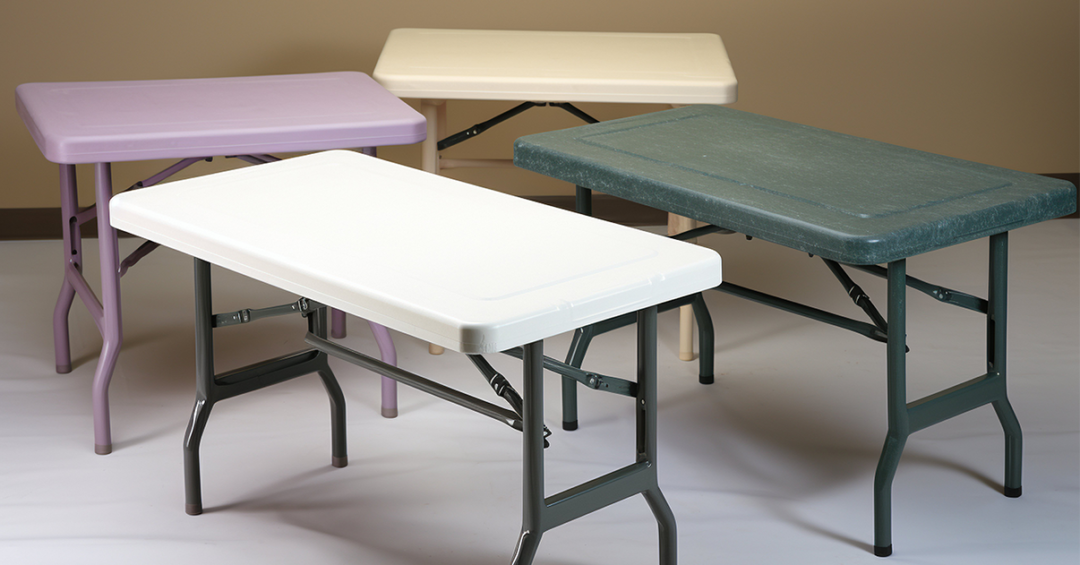
Potential Household Furniture Applications of PP LFT
PP Long Fiber Thermoplastics can be considered for a wide range of structural and functional furniture components.
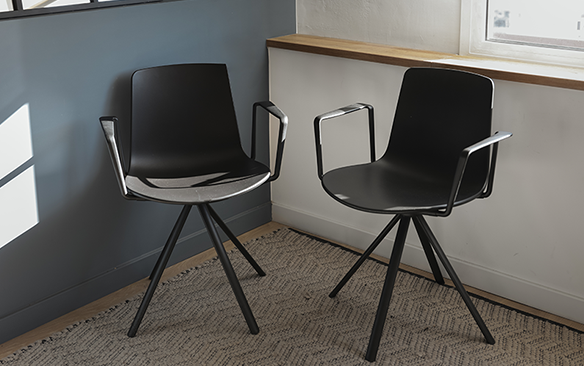
Chairs
Potential applications include:
• Chair frames
• Seat structures
• Backrest frames
• Armrests
• Reinforced legs
• Support brackets
• Integrated structural components
PP LFT can help create lightweight chair structures with improved stiffness and impact resistance.
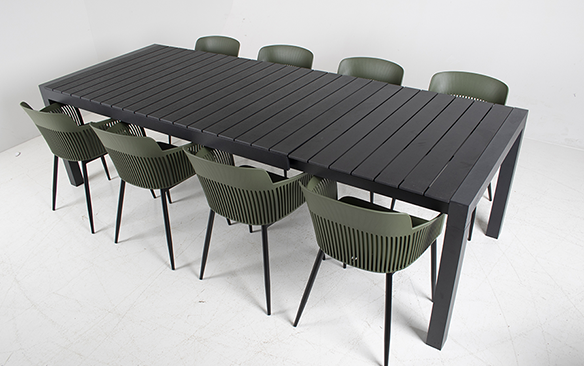
Tables
Potential applications include:
• Table frames
• Structural supports
• Reinforced legs
• Under-table support systems
• Foldable table components
• Modular table elements
The material can support lightweight construction while helping maintain structural stability.
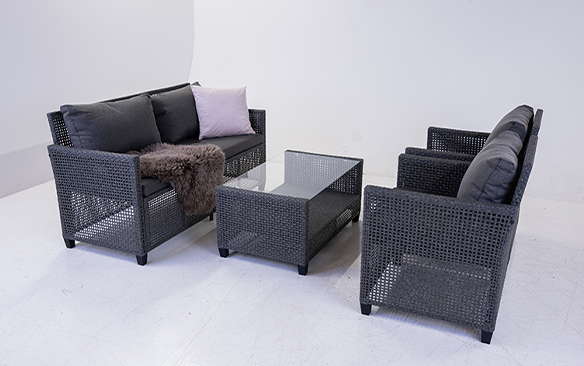
Sofas and Upholstered Furniture
PP LFT may be used in:
• Internal support structures
• Armrest frames
• Seat support components
• Backrest structures
• Reinforced side panels
• Modular furniture connectors
Composite structural components may help reduce dependence on heavier materials in selected furniture designs.
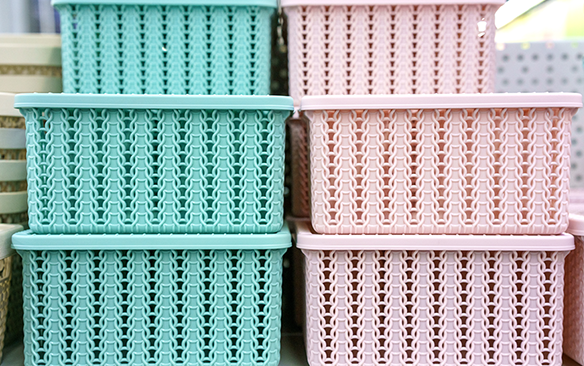
Storage Furniture
Potential applications include:
• Cabinet frames
• Drawer support structures
• Shelving supports
• Storage unit panels
• Reinforced internal components
• Modular connectors
Material selection should be based on expected load, span, fastening requirements and long-term deformation performance.
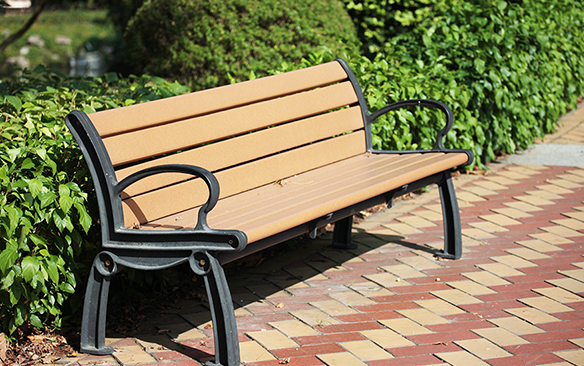
Outdoor Furniture
PP LFT may be considered for:
• Outdoor chairs
• Garden tables
• Benches
• Loungers
• Modular outdoor furniture
• Structural support components
For outdoor applications, the material should be evaluated for UV exposure, temperature variation, moisture and long-term weathering requirements.
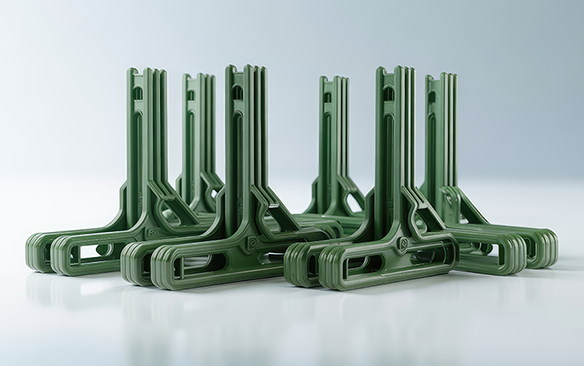
Beds and Modular Furniture
Potential applications include:
• Bed support components
• Structural brackets
• Modular connectors
• Furniture frames
• Reinforced support elements
• Foldable or adjustable furniture components
The ability to mold functional features into a component may help simplify assembly and improve design efficiency.
PP LFT Compared with Traditional Furniture Materials
| Material | Strength-to-Weight Potential | Corrosion Resistance | Design Flexibility | Recyclability Potential |
|---|---|---|---|---|
| PP LFT | High | High | High | High |
| Solid wood | Moderate | High | Moderate | Application-dependent |
| Steel | High | Requires protection | Moderate | High |
| Aluminum | High | High | Moderate | High |
| Conventional PP | Lower for structural applications | High | High | High |
The best material depends on the component’s design, load requirements, service environment, manufacturing process and cost targets. PP LFT is not intended to replace every traditional furniture material. Instead, it offers an opportunity to optimize selected components where lightweighting, structural performance, design integration and efficient processing are important.
Important Design Considerations for PP LFT Furniture
To achieve the best performance from PP LFT, furniture manufacturers should consider the material and component design together.
Important factors include:
Load Requirements
The component should be designed according to expected static, dynamic and impact loads.
Fiber Orientation
Fiber orientation can influence stiffness, strength and deformation behavior. Mold design and material flow can affect how fibers align within the finished component.
Component Geometry
Rib design, wall thickness, transitions and structural features should be optimized to achieve the desired balance of strength, weight and manufacturability.
Long-Term Deformation
Furniture components subjected to continuous loads should be evaluated for creep and long-term dimensional stability.
Environmental Exposure
Indoor and outdoor conditions may require different stabilization packages. UV exposure, humidity, temperature variation and chemical contact should be considered during material selection.
Joining and Assembly
The component design should account for fastening, joining and assembly requirements. Integrated features may help reduce the number of separate parts.
Surface Appearance
Structural performance and surface aesthetics should be evaluated together. Material selection may depend on whether the component is visible, coated, upholstered or integrated within a larger assembly.
How SKYi Supports Advanced Furniture Material Development
SKYi combines more than three decades of polymer and composite expertise with a deep understanding of fiber-matrix chemistry, morphology and rheology.
Our approach focuses on developing material solutions that balance:
• Mechanical performance
• Lightweighting
• Durability
• Processability
• Design flexibility
• Recyclability
SKYi’s Long Fiber Thermoplastics are engineered to support demanding applications where conventional materials may not provide the desired combination of strength, weight and manufacturing efficiency.
For household furniture manufacturers, this creates opportunities to develop innovative components that are lighter, stronger, durable and designed for more efficient production.
The Future of Household Furniture Materials
The future of furniture will be shaped by changing consumer expectations, evolving manufacturing technologies and increasing demand for sustainable materials.
Furniture manufacturers are likely to focus on:
• Lightweight product design
• Longer product life
• Material efficiency
• Modular construction
• Simplified assembly
• Recyclable material systems
• Reduced use of heavy or corrosion-prone materials
• Greater integration of structural and functional features
PP Long Fiber Thermoplastics can support these trends by combining reinforced mechanical performance with the processing flexibility of thermoplastic materials.
As furniture designs become more functional, lightweight and resource-conscious, advanced composite materials can help manufacturers create products that meet both performance and sustainability objectives.
Conclusion
PP LFT offers a compelling material platform for household furniture applications that require strength, stiffness, impact resistance, lightweighting and design flexibility.
From chairs and tables to storage systems, upholstered furniture and outdoor products, PP Long Fiber Thermoplastics can help manufacturers rethink how furniture components are designed and produced.
With expertise in advanced polymer materials and Long Fiber Thermoplastic technology, SKYi supports the development of high-performance composite solutions tailored to evolving application needs.
Looking to develop stronger, lighter and more durable furniture components? Connect with SKYi to explore PP LFT material solutions for your application.