
The flexible packaging industry is at an interesting crossroads.
A New Generation of SustainablePackaging Film: Alternative to BOPLA
High transparency. Excellent surface finish. High print receptivity. Designed for cost-effective sustainable packaging.
Brands want packaging that delivers performance, visual appeal, printability and cost efficiency, while reducing their dependence on conventional fossil-based plastics.
High-performance films such as BOPP, BOPET and BOPLA have traditionally served applications that need excellent appearance, mechanical properties, printability and processability.
But what if there was another pathway?
What if a bio-based blown film could combine transparency, surface finish, mechanical performance and print receptivity, at a more cost-effective position than BOPLA?
That is the opportunity behind our new bio-based blown film.
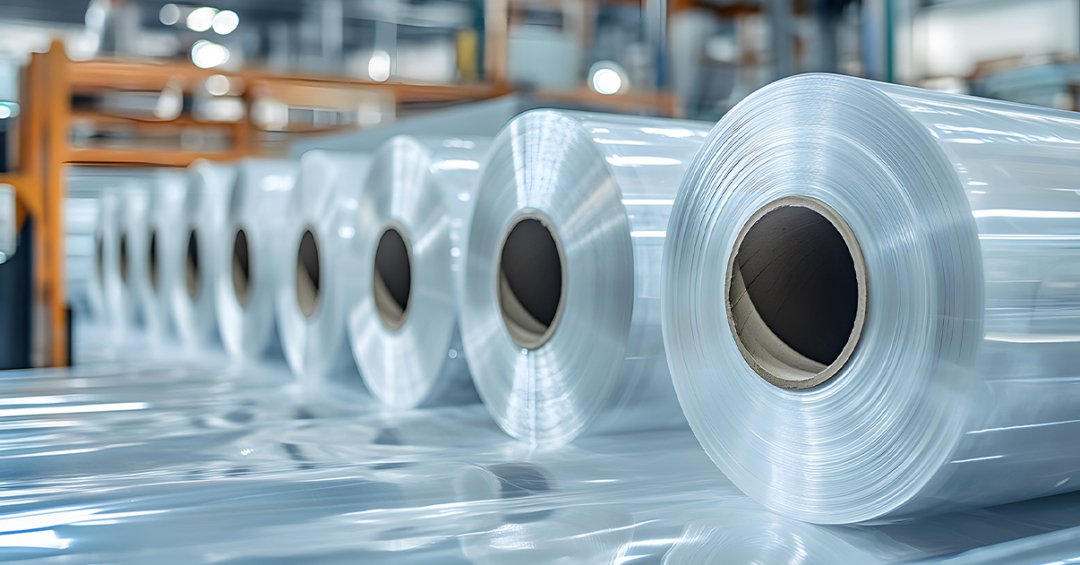
Introducing our new bio-based blown film
We have developed a new blown film to meet the evolving requirements of sustainable flexible packaging. It combines:
- Excellent surface finish
- High transparency
- High surface energy
- Good print receptivity
- Good mechanical properties
- Good seal strength
- High bio-based content
- Cost-effective positioning
- Suitability for primary and secondary packaging
Why the blown film structure matters
The three-layer construction gives us a platform for engineering the film around the specific requirements of packaging applications. In a multilayer structure, each layer can contribute a different function:
Surface performance + Mechanical performance + Sealing performance
This makes it possible to design a film that balances the needs of modern packaging, instead of optimising for a single property. For converters, that can mean more flexibility when developing structures for different applications.
A surface designed for better printing
One of the film’s most interesting features is its high surface energy.
In flexible packaging, the way inks, coatings and adhesives interact with the film surface is critical. Higher surface energy can promote better wetting and adhesion, making the film more receptive to printing and downstream converting.
A sustainable film shouldn’t compromise the appearance of the final pack.
With its combination of high surface energy, transparency and excellent surface finish, the film is designed to support attractive printed packaging.
Transparency that makes the pack stand out
Packaging is not only functional. For brands, the look of the pack can matter just as much. Clarity, gloss and surface appearance shape how consumers perceive:
- Product quality
- Freshness
- Premium positioning
- Brand communication
- Shelf appeal
Our new film was developed with high transparency and excellent surface finish as key characteristics, which makes it particularly interesting where pack aesthetics matter.
A potential alternative to BOPLA
BOPLA has gained attention as a bio-based and biodegradable film option for certain packaging applications. Sustainability solutions, however, also need to make commercial sense.
One objective behind our new film is to offer a more cost-effective alternative to BOPLA, while delivering the visual and functional characteristics flexible packaging requires. The blown film route also provides a strong platform for a cost-efficient sustainable film.
The result can be summarised as:
Sustainability + Performance + Printability + Cost efficiency
Can it replace BOPP and BOPET?
This is perhaps the most interesting opportunity.
BOPP and BOPET are among the most widely used films in flexible packaging because they combine strong mechanical, optical and converting properties.
Our new film is being developed as a potential alternative for selected BOPP and BOPET applications, particularly where the structure does not need the specific performance associated with biaxially oriented films.
We are not suggesting that one film can replace every BOPP or BOPET application. The opportunity is to find the right applications, where a bio-based blown film delivers the required performance, improves the sustainability proposition and stays cost-competitive.
That application-specific approach is critical.
Where can the film be used?
Food packaging
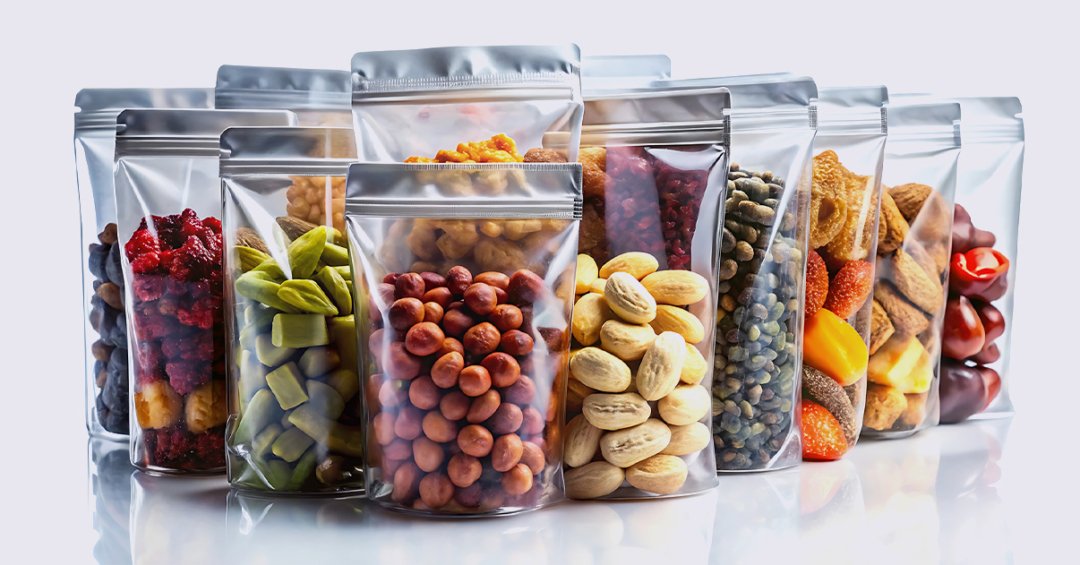
For applications where transparency, printability and sealing performance matter. The current TDS identifies the film as suitable for primary packaging and direct food-contact applications, subject to the applicable regulatory and application requirements. Potential applications include:
- Flexible food packaging
- Pouches
- Sachets
- Overwrap
- Laminated structures
- Dry-food packaging
Lamination
High surface energy can support ink and adhesive interaction, while good transparency and surface finish add to the appearance of the final laminate. This opens up possibilities for sustainable multilayer packaging structures.
Secondary packaging
For secondary packaging where the combination of appearance + mechanical strength + printability + cost is what counts.
The sustainability proposition
The film is based on a bio-based material derived from natural resources. According to the product’s technical data sheet, it is positioned to offer a significant reduction in carbon footprint compared with conventional fossil-based plastics.
But sustainability is not only about the material being bio-based. A truly sustainable packaging solution considers the entire value chain:
Raw material → Film production → Printing → Lamination → Packaging → Distribution → Use → End-of-life
This is why application development and lifecycle assessment will stay important as the technology evolves.
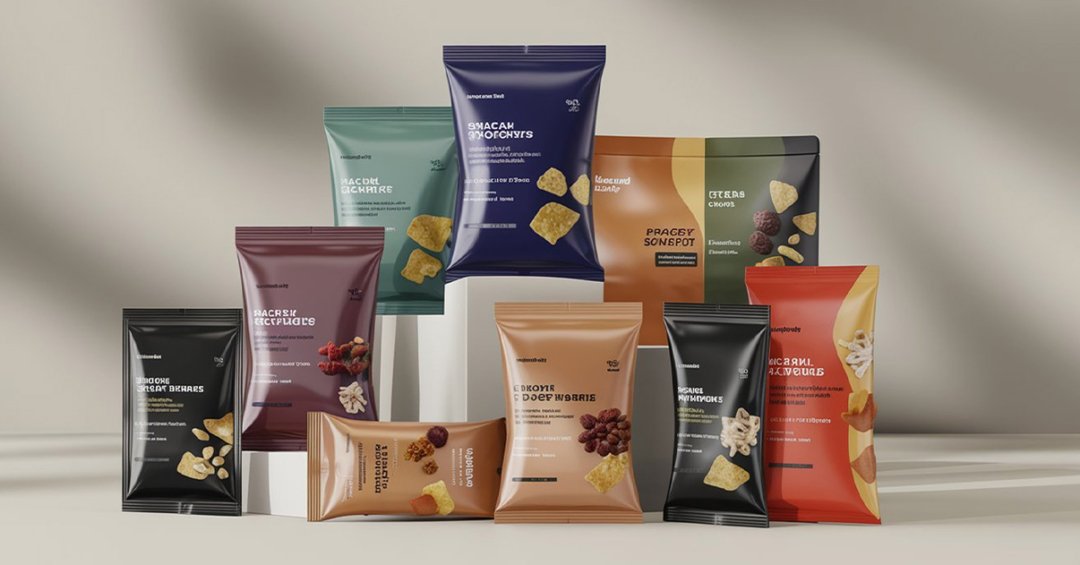
What makes this film different?
The real opportunity lies in the combination of properties:
- High transparency: for attractive, visually appealing packaging.
- Excellent surface finish: for better aesthetics and downstream converting.
- High surface energy: for better print receptivity and potential adhesion performance.
- Good mechanical properties: for functional packaging applications.
- Good seal strength: for reliable pack formation.
- Bio-based content: for less reliance on fossil-based feedstocks.
- Cost-effective positioning: to make sustainable packaging commercially viable.
- Blown film technology: a scalable manufacturing platform for flexible-film applications.
Making sustainable packaging more accessible
One of the biggest barriers to sustainable packaging adoption is often not technology. It is economics.
A sustainable alternative that costs significantly more than the conventional solution is hard to scale, especially in price-sensitive markets. That is why cost competitiveness matters.
Our objective is to bridge the gap between what is environmentally desirable and what is commercially viable.
If sustainable packaging is to move from niche to mainstream, it has to work environmentally, technically and economically.
The bigger picture
The future of flexible packaging will not be defined by a single material. BOPP, BOPET, BOPLA, recycled polymers, bio-based polymers, compostable materials and new multilayer structures will each have a role, depending on the application.
So the key question should not be:
“Which material is the most sustainable?”
Instead, we should ask:
“Which material provides the best balance of performance, sustainability, economics and end-of-life for this particular application?”
Our new bio-based blown film is an attempt to answer that question for a growing range of flexible packaging applications.
Sustainable packaging without compromising performance
The packaging industry doesn’t need sustainability solutions that only work in laboratories. It needs materials that run on machines, through converting lines and packaging equipment, and ultimately perform on the retail shelf.
Our new bio-based blown film is being developed with exactly this philosophy:
- High transparency
- Excellent surface finish
- High surface energy
- Good mechanical properties
- Good seal strength
- Cost-effective sustainability
And potentially, a new pathway for replacing selected applications currently served by BOPLA, BOPP and BOPET.
The future of sustainable packaging may not be about compromising on performance.
If you are exploring sustainable film options for a specific application, we would be glad to discuss trials. Message us or comment below.