
Compostable Stretch Film: Advancing Sustainable Packaging Without Compromising Performance
Compostable Stretch Film
Stretch film is an essential part of modern packaging and logistics. It helps secure palletized goods, stabilize loads, protect products during transportation, and improve warehouse handling. However, conventional stretch films are generally made from fossil-based plastics and can contribute to long-term plastic waste when they are not effectively collected and recycled
As businesses look for more sustainable packaging solutions, compostable stretch film is emerging as a promising alternative for selected applications. By combining flexibility, strength, processability, and responsible end-of-life options, compostable film materials can help packaging manufacturers and brand owners move toward more circular packaging systems.
At Skyi FKuR, advanced biopolymer technology is helping make this transition possible through high-performance, bio-based, biodegradable, and compostable material solutions.
What Is Compostable Stretch Film?
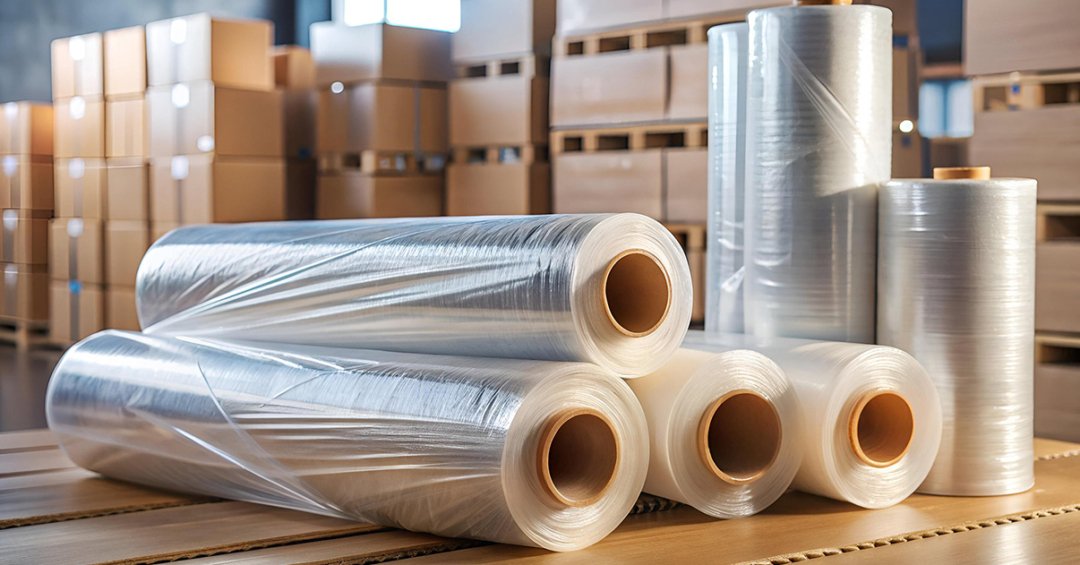
Compostable stretch film is a flexible packaging film designed to stretch around products or palletized loads while providing load stability and protection. Unlike conventional stretch films made primarily from fossil-based polymers, compostable stretch films are produced using specially formulated biodegradable polymer compounds.
Under appropriate composting conditions, certified compostable materials are designed to break down into natural components such as water, carbon dioxide, and biomass, without leaving harmful residues. However, compostability depends on the specific material formulation, film thickness, certification, and disposal environment.
It is important to understand that compostable does not mean that a film will disappear immediately in any environment. Many compostable materials are designed for industrial composting systems, where temperature, humidity, oxygen, and microbial activity are controlled. Some specially developed grades may also be suitable for home composting, subject to their applicable certification and intended use.
Why Is There a Need for Sustainable Stretch Film?
Stretch film is widely used across industries because it is lightweight, flexible, and efficient. It can secure products without the need for additional straps or adhesives. However, the widespread use of conventional plastic stretch wrap also creates challenges related to fossil-resource consumption, waste collection, contamination, and end-of-life management.
Businesses are increasingly looking for packaging materials that can support:
• Reduced dependence on fossil-based raw materials
• Lower environmental impact
• Renewable or bio-based feedstocks
• More responsible end-of-life options
• Circular economy goals
• Sustainable packaging commitments
• Evolving customer and regulatory expectations
Compostable stretch film can provide an additional pathway for addressing these challenges, particularly where composting infrastructure and appropriate waste-segregation systems are available.
How Does Compostable Stretch Film Work?
The performance of stretch film depends on the balance of several material properties. A film must be flexible enough to stretch around a load while maintaining sufficient strength to resist tearing, puncturing, and breakage.
Compostable stretch film formulations may be engineered to provide a combination of:
1. Flexibility and Elongation
A stretch film must extend around products without breaking. The polymer formulation influences how much the film can elongate and how effectively it conforms to different load shapes.
2. Load-Holding Performance
After stretching, the film should maintain adequate tension to help stabilize the load. This property is important during storage, handling, and transportation.
3. Tear and Puncture Resistance
Packaging operations may involve sharp edges, uneven surfaces, or heavy products. Appropriate material selection can help improve resistance to damage during use.
4. Film Processability
The material must be compatible with the intended manufacturing process. Depending on the formulation and application, compostable polymer compounds may be processed using technologies such as blown-film or cast-film extrusion.
5. Sealability and Surface Performance
For some flexible-packaging applications, sealing behavior, surface characteristics, printability, and compatibility with converting processes may also be important.
The final performance of a compostable stretch film depends on factors such as polymer composition, film thickness, processing conditions, stretch ratio, load type, and operating environment.
Benefits of Compostable Stretch Film
Supports Reduced Fossil-Resource Dependence
Many biopolymer formulations incorporate renewable raw materials derived from plant-based sources. This can help reduce dependence on conventional fossil-based feedstocks.
Enables More Sustainable Packaging Design
Compostable stretch film can support organizations working toward sustainable packaging targets and broader environmental commitments.
Provides a Potential Organic-Waste Route
Where suitable composting infrastructure exists, certified compostable films may offer an alternative end-of-life pathway. This can be particularly relevant for applications in which packaging is likely to become mixed with organic waste.
Supports Circular Economy Objectives
Compostable materials are designed with the material lifecycle in mind. When matched with appropriate collection, segregation, and composting systems, they can support a more circular approach to packaging.
Can Be Engineered for Application-Specific Performance
Modern biopolymer compounds can be formulated to balance flexibility, strength, processability, and compostability for specific packaging requirements.
Helps Strengthen Sustainable Brand Positioning
Businesses increasingly evaluate packaging not only by cost and functionality but also by environmental impact. Sustainable material choices can support responsible brand positioning when claims are accurate, transparent, and supported by relevant certifications.
Compostable Stretch Film Applications
Compostable stretch film may be considered for a range of packaging and logistics applications, including:
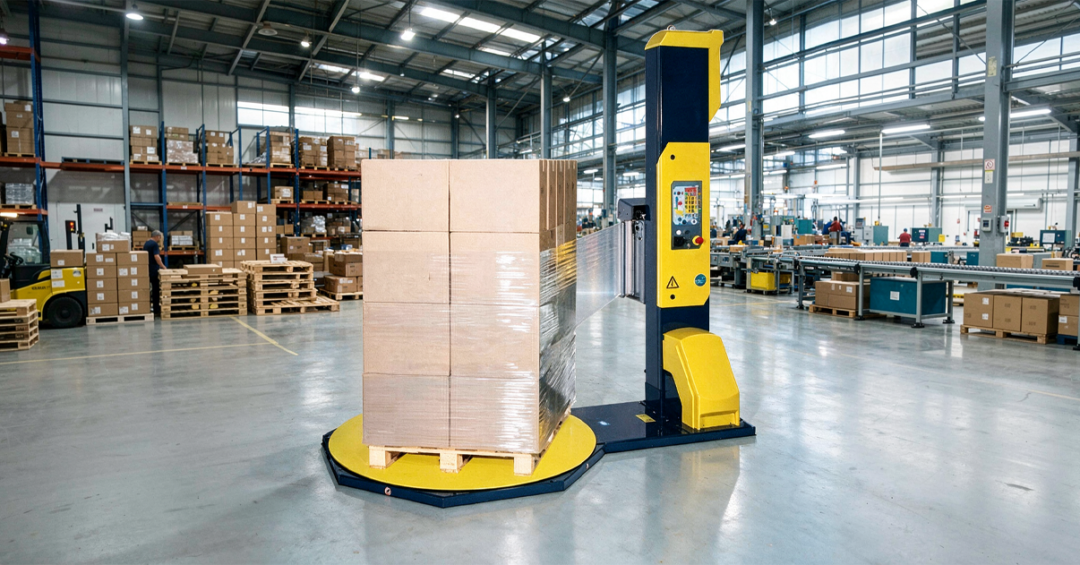
• Pallet wrapping
• Warehouse and distribution packaging
• Secondary packaging
• E-commerce fulfillment
• Retail logistics
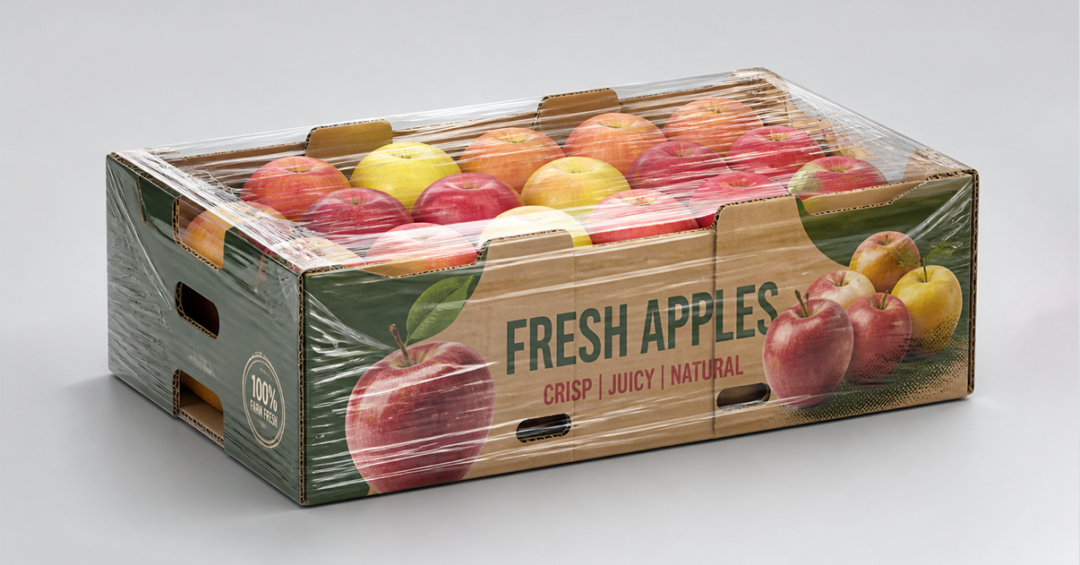
• Agricultural packaging
• Food and beverage supply chains
• Organic-waste collection applications
• Product bundling
• Protective wrapping for selected goods
The suitability of compostable film should be evaluated according to the load weight, storage conditions, required stretch performance, transportation distance, film thickness, and intended end-of-life route.
Compostable Stretch Film vs. Conventional Stretch Film
| Feature | Compostable Stretch Film | Conventional Stretch Film |
|---|---|---|
| Primary material approach | Biodegradable or compostable polymer formulation | Generally fossil-based polymers |
| Renewable content | May contain renewable or bio-based feedstocks | Typically dependent on fossil resources |
| End-of-life option | Composting under specified conditions, where applicable | Primarily recycling or disposal |
| Environmental objective | Supports reduced fossil dependence and circularity | Depends heavily on collection and recycling systems |
| Performance | Can be engineered for flexibility and strength | Established performance across many applications |
| Material selection | Application- and certification-specific | Widely standardized |
| Disposal requirements | Requires correct segregation and suitable composting conditions | Requires collection and appropriate recycling infrastructure |
The choice between compostable and conventional stretch film should be based on the complete application and waste-management system rather than on a single environmental claim.
Important Considerations Before Switching
Compostable stretch film is not a one-size-fits-all replacement. Businesses should evaluate the complete packaging system before selecting a material.
Confirm the Required Performance
Consider:
• Load weight
• Pallet dimensions
• Required stretch level
• Film thickness
• Puncture resistance
• Tear resistance
• Load retention
• Storage duration
• Transportation conditions
Evaluate Processing Compatibility
Film manufacturers should assess the material’s compatibility with existing extrusion and converting equipment. Processing conditions may need to be optimized depending on the selected grade.
Verify Compostability Certification
Compostability claims should be supported by recognized standards and applicable certification. Standards such as EN 13432 and ASTM D6400 define requirements for compostable plastics under specified conditions.
Consider the Disposal Infrastructure
A compostable product delivers its intended end-of-life benefit only when it reaches an appropriate composting system. Local collection, segregation, and industrial composting infrastructure should therefore be considered during packaging design.
Avoid Unsupported Environmental Claims
Terms such as “eco-friendly,” “green,” or “biodegradable” should not be used without clear technical context. Packaging claims should explain the applicable disposal conditions and relevant certifications.
Bio-Based, Biodegradable, and Compostable: What Is the Difference?
These terms are often used interchangeably, but they describe different material characteristics.
Bio-based refers to the source of the material. A bio-based polymer is derived partly or fully from renewable biological resources. However, being bio-based does not automatically mean that a material is biodegradable or compostable.
Biodegradable means that a material can be broken down by microorganisms under specific environmental conditions. The rate and extent of biodegradation depend on the material and the surrounding environment.
Compostable refers to a specific and controlled form of biodegradation. Certified compostable materials are designed to break down within defined conditions and timeframes while meeting requirements related to disintegration, biodegradation, and compost quality.
Understanding these differences is essential for selecting the right sustainable packaging material and communicating environmental benefits accurately.
How Skyi FKuR Supports Compostable Film Development
Skyi FKuR combines polymer-processing expertise with advanced biopolymer technology to develop sustainable materials for flexible packaging and other applications.
The Bio-Flex® portfolio includes biodegradable and compostable compounds designed for flexible films, injection molding, and thermoforming. These materials are developed to provide a balance of sustainability, processability, and application performance.
Selected Bio-Flex® grades are suitable for film-extrusion applications and can be engineered for properties such as flexibility, strength, printability, sealability, and controlled biodegradability. Skyi FKuR’s technical team can support customers with:
• Material selection
• Application assessment
• Grade recommendations
• Processing guidance
• Prototype development
• Performance evaluation
• Sustainable packaging development
The objective is not simply to replace one polymer with another. It is to develop a material solution that aligns with the application, manufacturing process, performance requirements, and intended end-of-life pathway.
The Future of Sustainable Stretch Packaging
The future of stretch packaging will depend on a combination of material innovation, packaging optimization, efficient collection systems, recycling, composting infrastructure, and responsible product design.
Compostable stretch film can play an important role where its use is technically appropriate and supported by suitable end-of-life systems. Continued innovation in biopolymer formulations may help improve performance, processing efficiency, renewable content, and cost competitiveness.
For packaging manufacturers and brand owners, the opportunity is to move beyond conventional material selection and consider the complete lifecycle of the packaging solution.
Build the Next Generation of Sustainable Stretch Film
Compostable stretch film represents a promising step toward reducing dependence on conventional fossil-based packaging materials while supporting more circular end-of-life options.
However, successful implementation requires the right balance of material performance, manufacturing compatibility, certification, and disposal infrastructure.
Skyi FKuR works with packaging manufacturers, converters, brand owners, and sustainability-focused businesses to develop advanced biopolymer solutions for flexible-film applications.
Looking to develop a compostable stretch-film solution? Connect with Skyi FKuR’s material specialists to identify the right biopolymer grade for your application, processing requirements, and sustainability goals.