Meet us at
Yashobhoomi, IICC, Dwarka, New Delhi
28 – 30 Sept. 2026
Stall No: F 18
The Future of Drone Performance Starts with Better Materials
The global drone industry is evolving at an unprecedented pace. From commercial delivery drones and agricultural UAVs to defense surveillance systems and industrial inspection platforms, manufacturers are under constant pressure to build drones that fly longer, carry heavier payloads, and operate reliably in demanding environments.
This is where Long Fiber Thermoplastics (LFTs) are emerging as a next-generation material solution.
By combining long reinforcing fibers with high-performance thermoplastic matrices, LFTs provide an exceptional balance of lightweight construction, mechanical strength, impact resistance, and manufacturing efficiency, making them increasingly attractive for advanced drone applications. Skyi’s Long Fiber Thermoplastics are engineered to deliver superior strength-to-weight ratios, excellent durability, and processing advantages across demanding structural applications.
Why Drone Material Selection Matters
Every gram of weight added to a drone affects:
- Flight duration
- Payload capacity
- Energy consumption
- Motor efficiency
- Battery size
- Flight stability
Meeting all these requirements simultaneously is challenging using conventional materials.
The ideal drone material must therefore combine:
- High stiffness
- Low weight
- Excellent fatigue resistance
- Dimensional stability
- Weather resistance
- Cost-effective manufacturing
What Makes Long Fiber Thermoplastics Different?
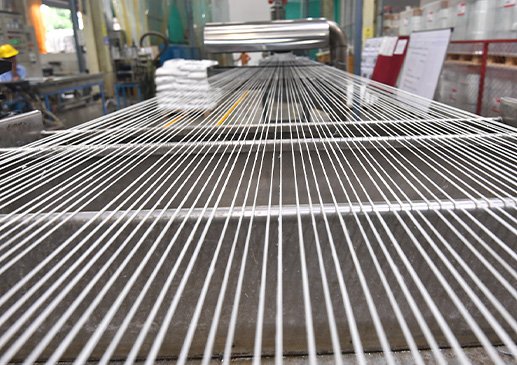
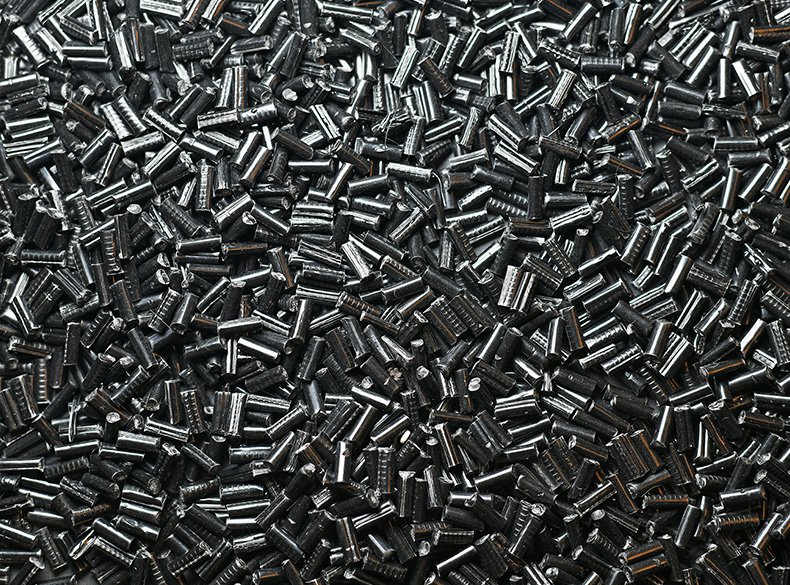
Long Fiber Thermoplastics consist of reinforcing fibers—typically glass or carbon fibers approximately 10–12 mm long—embedded within an engineered thermoplastic matrix such as polypropylene (PP), polyamide (PA), PET, or PBT. Unlike short fiber composites, the longer fibers create a continuous load-bearing network that significantly improves:
- Tensile strength
- Impact resistance
- Fatigue life
- Energy absorption
- Structural rigidity
- Creep resistance
During injection molding, these longer fibers form an internal reinforcement structure that distributes stresses more effectively than conventional short-fiber materials.
Advantages of LFTs for Drone

Exceptional Strength-to-Weight Ratio

Superior Fatigue Resistance

Improved Impact Resistance

Excellent Dimensional Stability

High Vibration Damping

Weather and Environmental Resistance
Manufacturing Advantages for Drone OEMs
Beyond performance, LFTs offer significant manufacturing benefits.
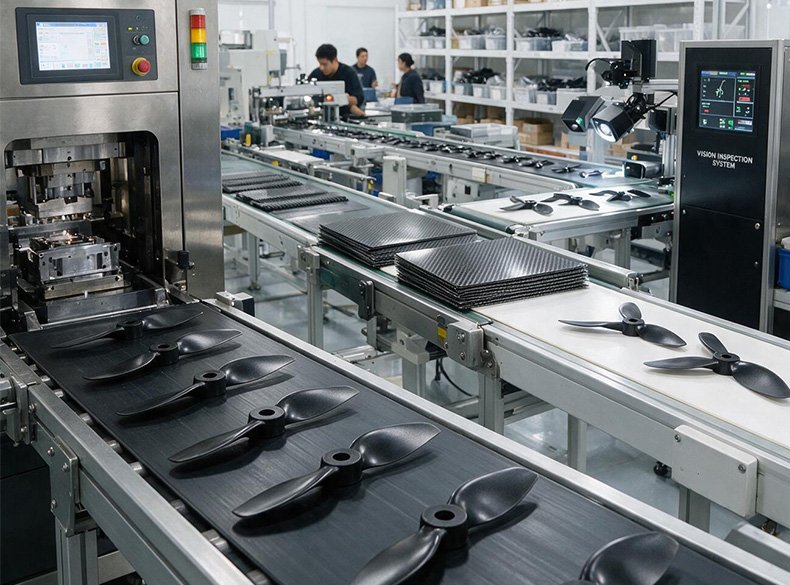
Unlike metal fabrication or laminated composites that require multiple manufacturing steps, LFTs can be injected into highly engineered aerodynamic profiles.
- Faster Production
- Reduced Manufacturing Waste
Sustainability: A Growing Competitive Advantage
The drone industry is increasingly embracing sustainable manufacturing practices.
Unlike thermoset composites, Long Fiber Thermoplastics can be reprocessed and mechanically recycled, helping reduce manufacturing waste and supporting circular material strategies. Their lightweight nature also contributes to lower energy consumption during
Why Choose Skyi Long Fiber Thermoplastics?
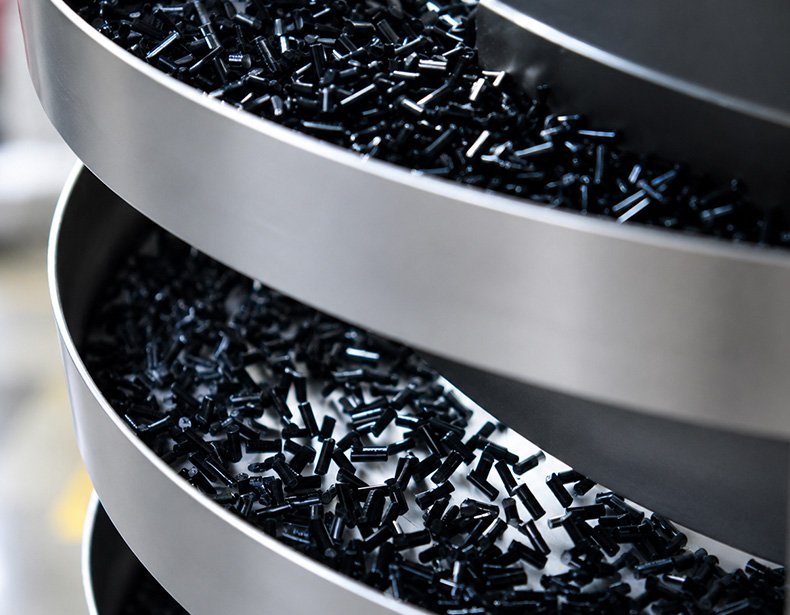
Skyi develops advanced Long Fiber Thermoplastic materials using deep expertise in fiber-matrix chemistry, crystallinity, morphology, and rheology. With one of India’s largest LFT manufacturing capabilities, Skyi provides engineered materials designed for demanding structural applications requiring lightweight construction, durability, and high mechanical performance. For drone manufacturers, Skyi’s LFT materials can enable:
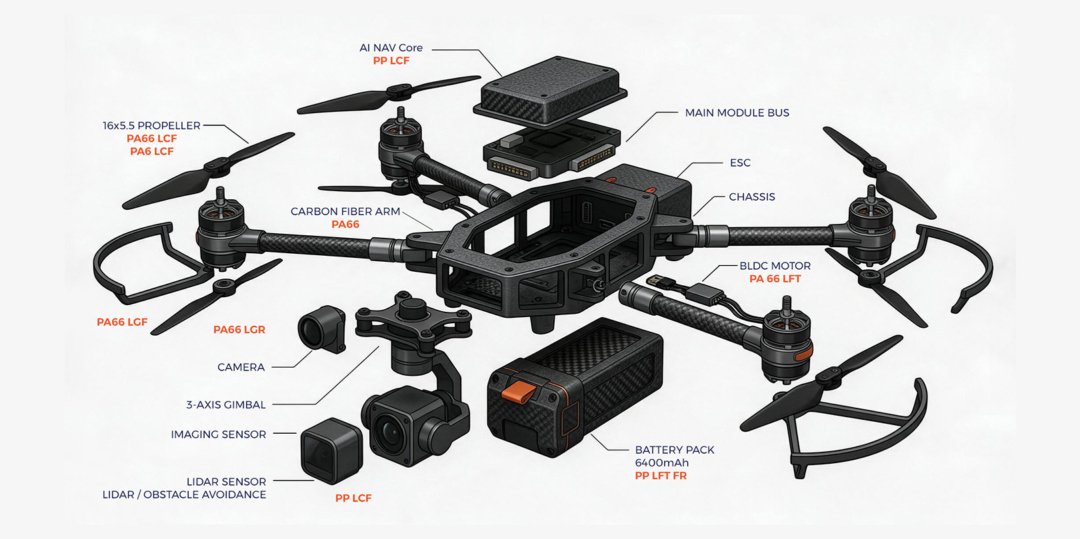
- Lightweight rotor blades
- Structural drone arms
- UAV frames
- Motor mounting systems
- Landing gear
- Protective housings
Delivering high performance with efficient, scalable manufacturing. Skyi already highlights drone arms and propeller blades among its composite application areas.
Conclusion
As drones become more capable, intelligent, and mission-critical, material innovation will increasingly determine competitive advantage.
Long Fiber Thermoplastics offer an ideal combination of lightweight performance, structural integrity, impact resistance, manufacturing efficiency, and sustainability—qualities that directly enhance rotor blade performance and overall UAV reliability.
For drone manufacturers looking to improve flight endurance, reduce production costs, and build next-generation aerial platforms, Long Fiber Thermoplastics represent more than an alternative material—they are a strategic engineering solution for the future of unmanned aviation.
Certifications