SUSTAINABLE MATERIALS. AUTOMOTIVE COMPOSITES.
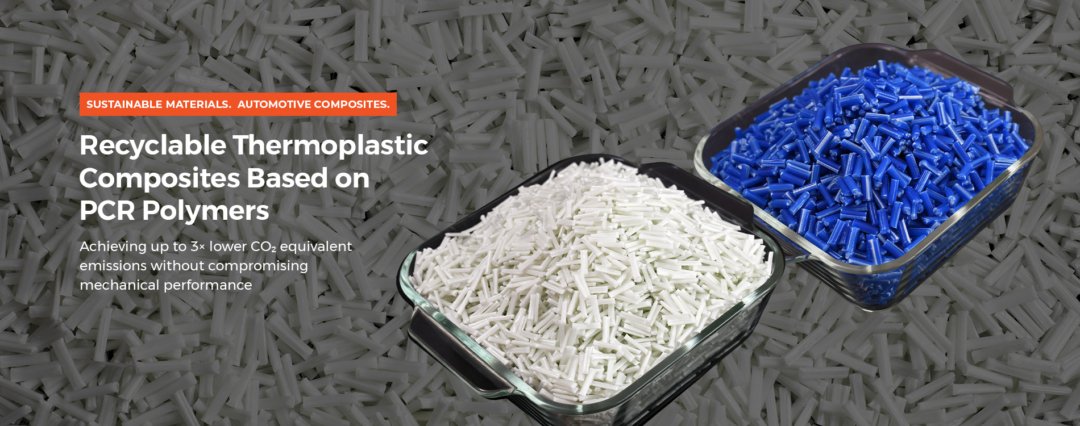
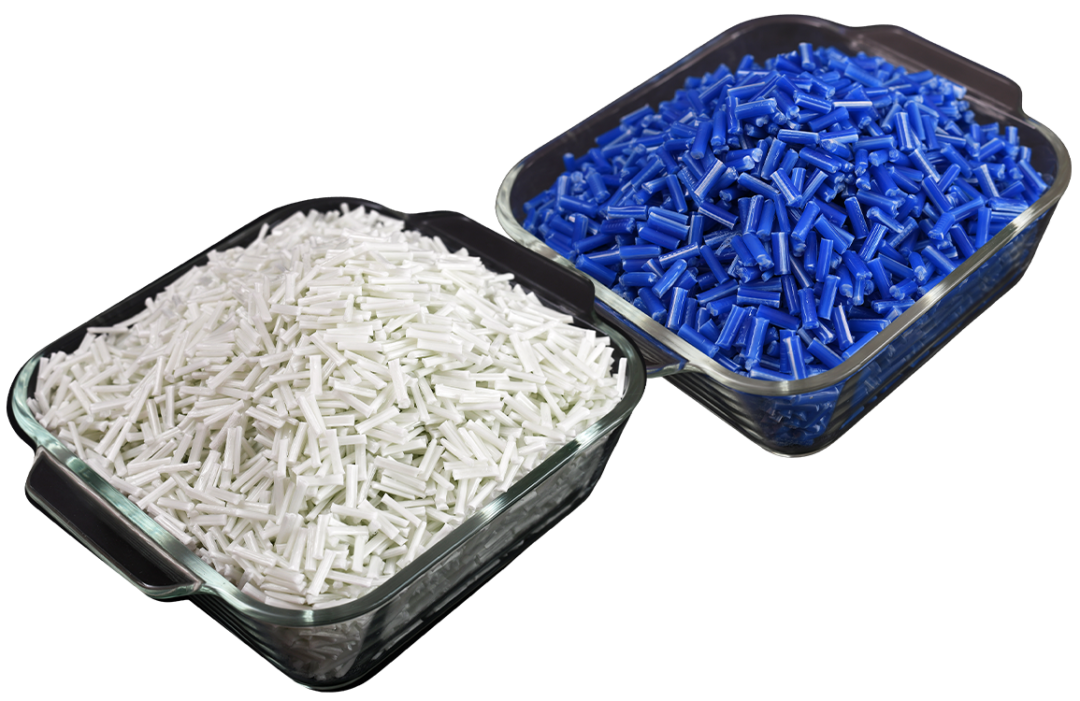
Recyclable Thermoplastic Composites Based on PCR Polymers
Achieving up to 3× lower CO₂ equivalent emissions without compromising mechanical performance
THE REGULATORY DRIVER
EU End-of-Life Vehicles Regulation (ELVR)
Adopted June 2026 — mandatory recycled-plastic content for newly type-approved vehicles

recycled plasticby 2032 (6 yrs post entry)

recycled plasticby 2036 (10 yrs post entry)

of recycled contentmust originate from ELVs
To comply, suppliers must focus on three pillars:

Material Compliance
Meet recycled-content thresholds, with a minimum share sourced from end-of-life vehicles.

Circular Product Design
Meet recycled-content thresholds, with a minimum share sourced from end-of-life vehicles.

Data & Traceability
Maintain auditable material declarations (IMDS) aligned to ISO 15343.

WHY CO₂E MATTERS
Most of Plastic's Climate Impact Happens Before It's Ever Used
“To keep global warming to no more than 1.5°C, emissions need to be reduced by 55% by 2035 and reach net zero by 2050.”
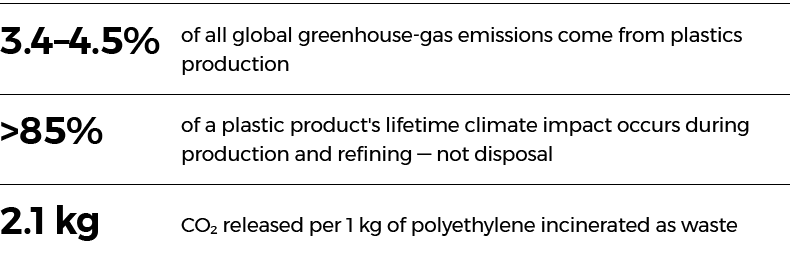
CARBON FOOTPRINT BY POLYMER
Recycling Cuts CO₂e by 3–7× Across Every Major Polymer

PP: Lowest Footprint
Low chemical complexity and low melting point mean less processing energy — the ideal starting point for recycled composites.

PA: Highest Footprint
Caprolactam synthesis is energy-intensive — replacing GF-PA with our PCR-PP composite is where CO₂e savings are largest.
MANUFACTURING PROCESS
Closed loop- recycling- Cradle to cradle
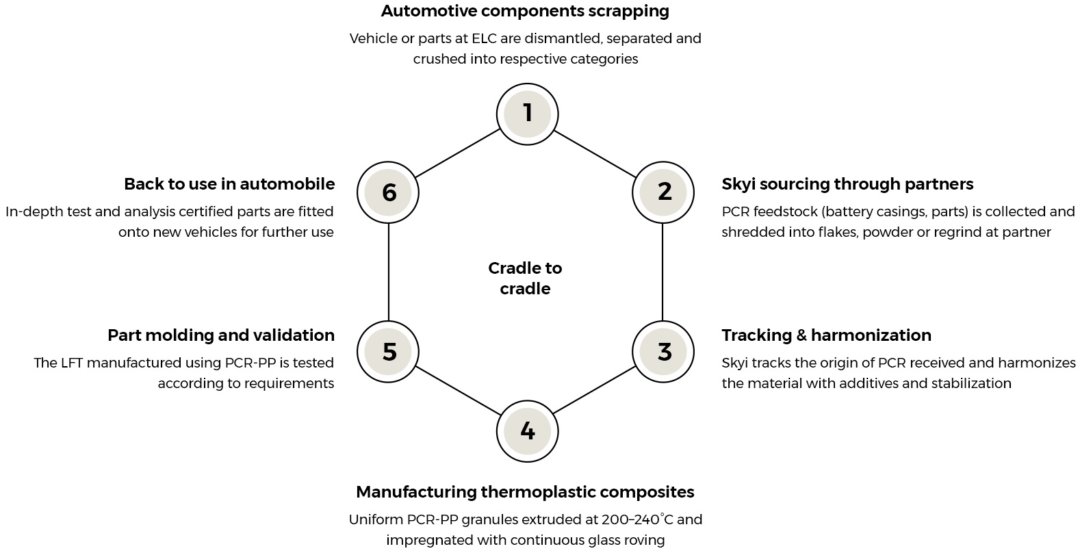
MANUFACTURING PROCESS
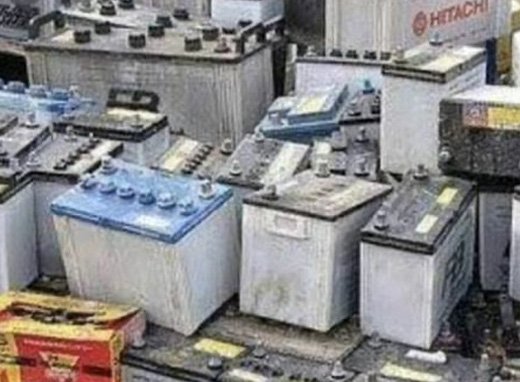
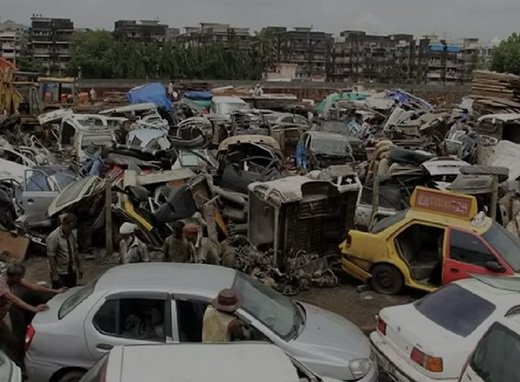
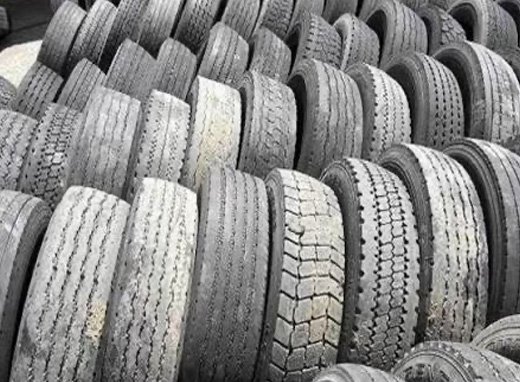
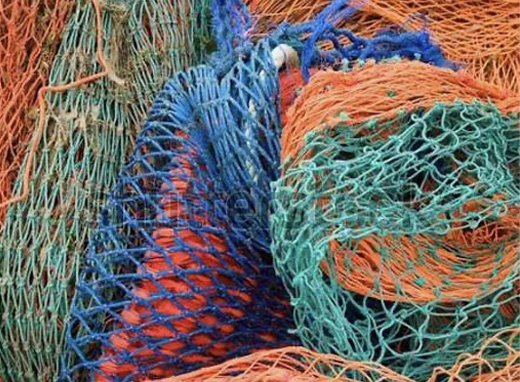
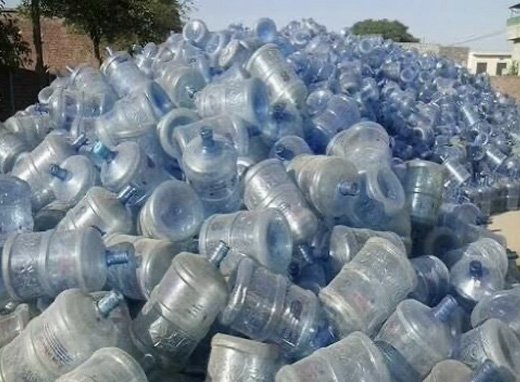
Stream of waste for various recycled Polymers
PP
Polypropylene
PA6
Polyamide 6
PA66
Polyamide 66
HD
HDPE
PC
Polycarbonate

PLA
Polylactic Acid
From Post-Consumer Waste to Impregnated LFT Pellet
Collect & Shred
PCR feedstock (battery casings, nets, handles) is collected and shredded into flakes.
Density Separation
PCR feedstock (battery casings, nets, handles) is collected and shredded into flakes.
Homogenize & Vent
Extruder melts and homogenizes resin; venting removes volatiles, melt screen removes impurities.
Dry Blend
Uniform PCR-PP granules are dry-blended with stabilizers/compatibilizers for ~30 min.
Melt Impregnation
Blend is extruded at 200–240°C, then fed into the impregnation die at 245°C with continuous glass roving.
Pull & Pelletize
Impregnated strands are pulled, cooled and chopped into ~11 mm LFT pellets.
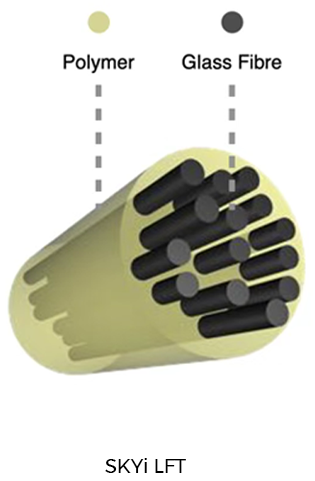
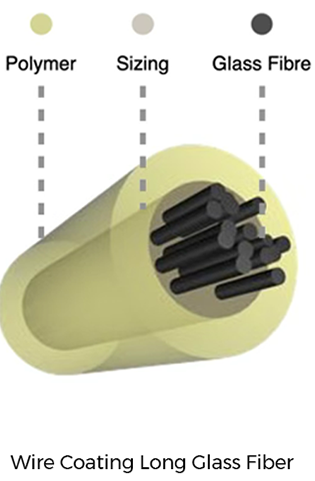
Skyi’s proprietary manifold and impregnation die design ensures individual glass fibers are fully coated with polymer matrix.
OUR TECHNOLOGY
Restoring PCR-PP to Near-Virgin Performance
We manufacture long-glass-fiber-reinforced polypropylene (LGF-PP) compounds containing more than 40% post-consumer
recycled PP (PCR-PP), using a proprietary functional polymer technology.
PRODUCT INNOVATION
SKYi LFT: full impregnation, confirmed at the microscale
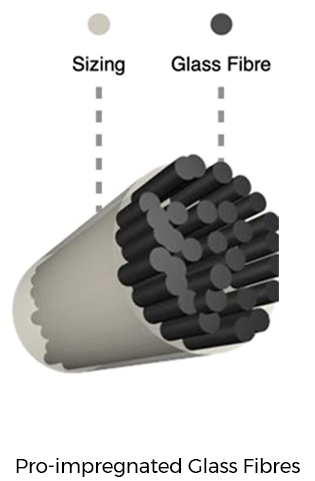
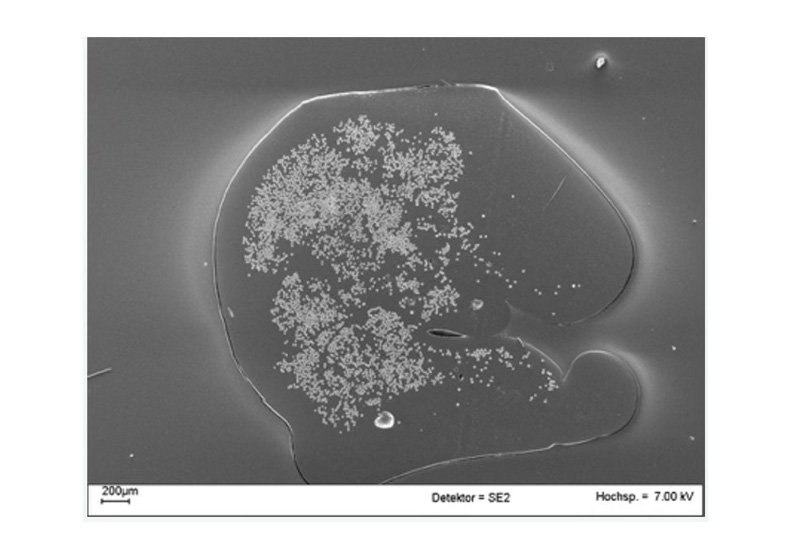
Pellet cross-section
SEM image showing dispersion of glass fibers throughout the polymer pellet cross-section.
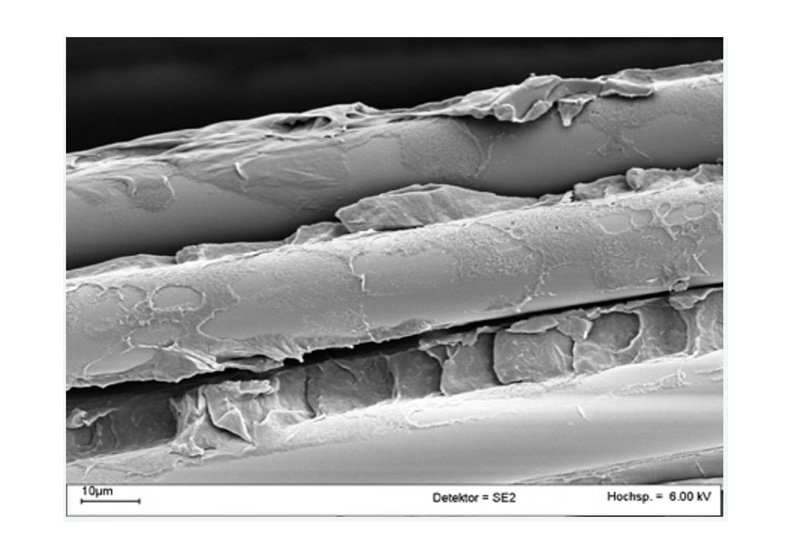
Fiber surface coating
SEM image showing a continuous polymer layer between glass fibers, confirming individual-fiber coating.
| Unit | Treei OH0135 |
Treei OL1135 |
Treei OH2135 |
Treei OH3135 |
|
|---|---|---|---|---|---|
| Polymer | rPP | rPP | rPP | rPP | |
| GF % (long) | % | 20 | 30 | 35 | 40 |
| Tensile strength | MPa | 61 | 68 | 75 | 103 |
| E-break | % | 2.8 | 2.4 | 2.3 | 2.2 |
| Notched Impact strength | kJ/m2 | 14 | 10 | 11 | 14 |
| Flexural strength | MPa | 95 | 105 | 114 | 140 |
| Flexural modulus | MPa | 4200 | 5000 | 6710 | 7200 |
CARBON FOOTPRINT BY POLYMER
Skyi offerings on recycled polymer-LFT
| Treei OH0135 |
Stabil OH 0135 |
Treei OH1135 |
Stabil OH1135 |
Treei MU1106 |
Stabil MH1106 |
Treei MU1166 |
Stabil MH1166 |
|||
|---|---|---|---|---|---|---|---|---|---|---|
| Polymer | PP | PP-LFT | PP | PP | PA6 | PA6 | PA66 | PA66 | ||
| recycled content | % | 45% | 0 | 45% | 0 | 45% | 0 | 45% | 0 | |
| Glass fiber content | % | 20 | 20 | 30 | 30 | 30 | 30 | 30 | 30 | |
| Tensile Strength at Break | ASTM D638 | MPa | 61.0 | 73 | 68 | 112 | 155 | 190 | 180 | 200 |
| Tensile Modulus at Break | MPa | 1950.0 | 4080 | 4800 | 7200 | 11400 | 13000 | 10700 | 13500 | |
| Elongation at break | % | 2.4 | 2.7 | 2.4 | 2.1 | 2.4 | 2.5 | 2.4 | 2.2 | |
| Flexural Strength at Break | ASTM D790 | MPa | 95.0 | 113 | 105 | 160 | 215 | 270 | 245 | 305 |
| Flexural Modulus | MPa | 4200.0 | 4270 | 5000 | 6400 | 9800 | 11500 | 8500 | 11500 | |
| Izod Impact Test- Notched | ASTM D256 | kJ/m2 | 14.0 | 19.1 | 15 | 19 | 16 | 25 | 18 | 22 |
RECOMMENDATION
Which Grade Fits Your Priority?
PCR-PP at ~45% Is the Optimum Solution
Certifications