
Bioplastics, made from renewable sources like plants and algae, serve as sustainable alternatives to conventional plastics by reducing dependence on fossil fuels and lowering environmental impact.
What Are Bioplastics?
Bioplastics encompass a diverse family of materials derived from renewable biological sources, such as plant starches, vegetable fats, corn, sugarcane, and algae. Unlike conventional plastics made from fossil fuels, bioplastics aim to reduce dependence on non-renewable resources and minimize environmental impacts. Bioplastics are broadly classified into three categories – bio-based, non-biodegradable plastics; bio-based, biodegradable plastics; and fossil-based, biodegradable plastics.
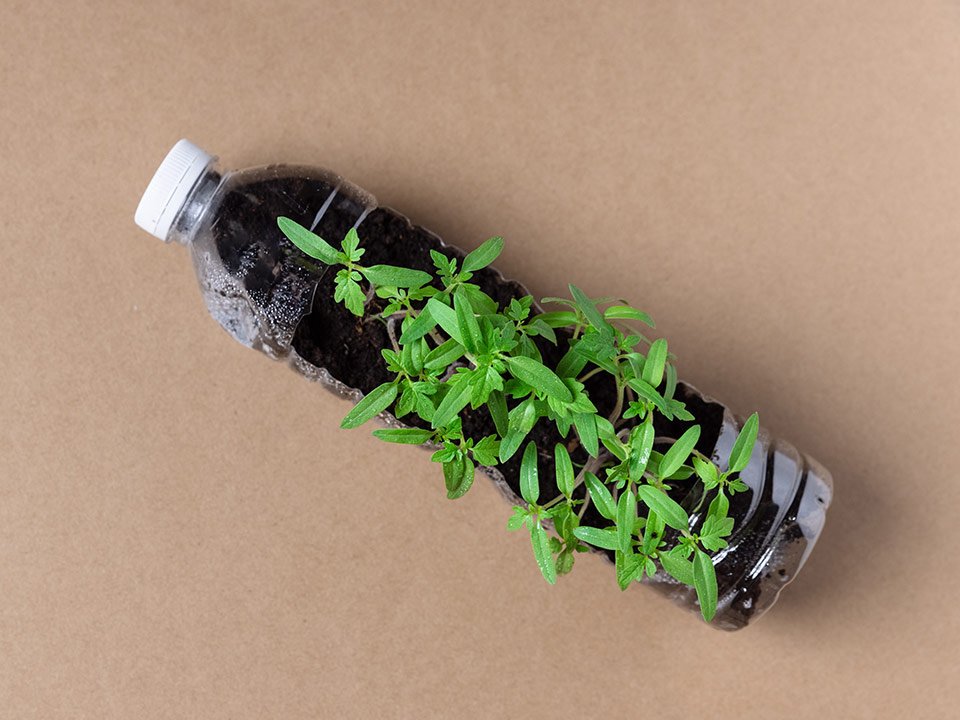
Bio-Based, Non-Biodegradable Plastics
These plastics are made entirely or partially from renewable resources but are not biodegradable. Examples include bio-based polyethylene (Bio-PE) and bio-based polyethylene terephthalate (Bio-PET), which have identical chemical structures to their fossil-based counterparts and can be recycled in established systems.
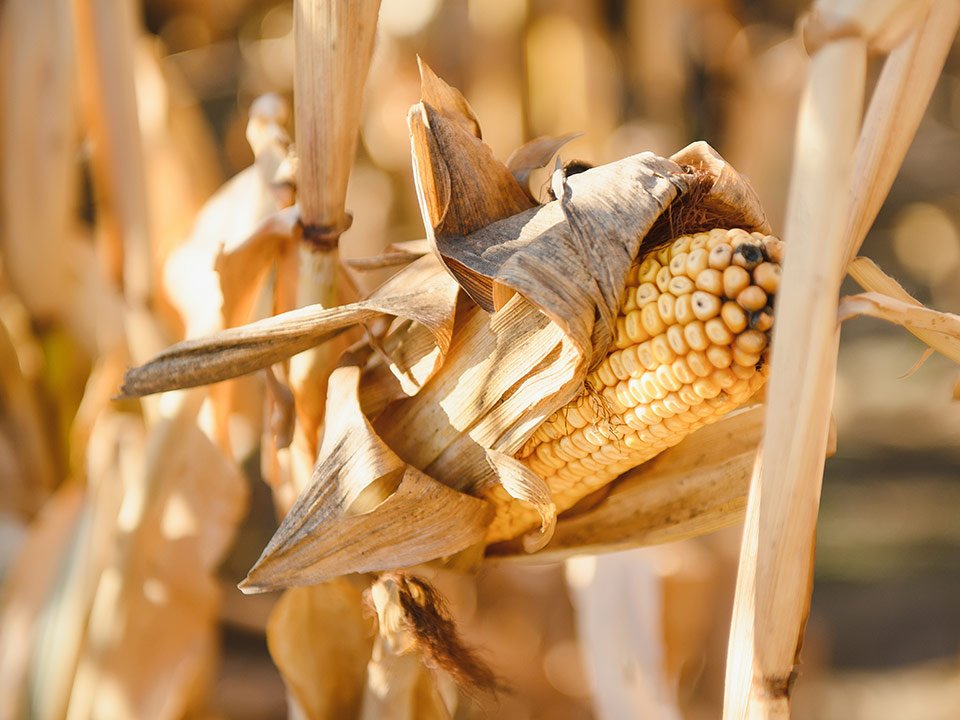
Bio-Based, Biodegradable Plastics
These materials are derived from renewable resources such as corn starch, sugarcane, cellulose, and vegetable oils and can decompose under specific environmental conditions. They often require industrial composting facilities for proper breakdown. Examples include polylactic acid (PLA), used in packaging and disposable tableware, and starch-based blends commonly used in food packaging, agricultural films, and compostable bags.
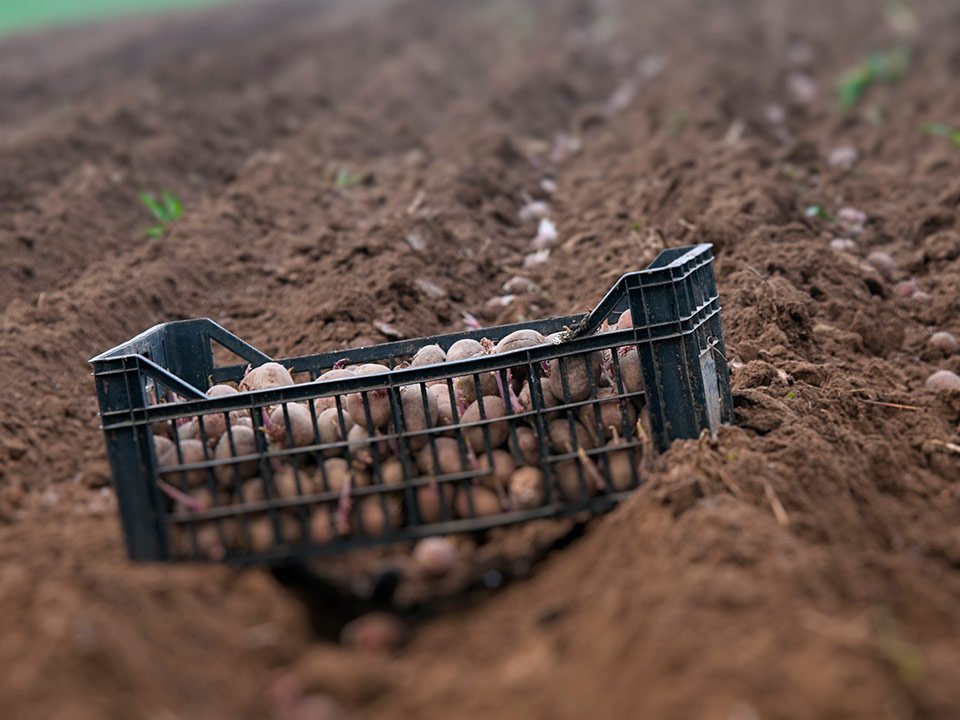
Fossil-Based, Biodegradable Plastics
These plastics are synthesized from petroleum-based resources but are designed to break down under specific composting conditions. While they do not reduce fossil fuel dependence, they ensure faster degradation compared to traditional plastics when exposed to industrial composting environments. Polybutylene Adipate Terephthalate (PBAT) is one such composite, used in biodegradable films, agricultural mulch, and compostable packaging.
Bioplastics are used in various applications, including packaging, agriculture, medical devices, and consumer goods. While bioplastics still face challenges in production costs, material performance, and waste management, continued advancements in technology and infrastructure are driving their adoption across industries.

Circular Economy and Bioplastics
Circular economy and bioplastics emphasize integrating composting and recycling systems, enhancing sustainability, and…
Designing for End-of-Life in Soil: A Technical Look at Soil-Biodegradable Plastics for Agriculture
Bioplastics, made from renewable sources like plants and algae, serve as sustainable alternatives to conventional…
Compostable Stretch Film
Compostable Stretch Film: Advancing Sustainable Packaging Without Compromising Performance
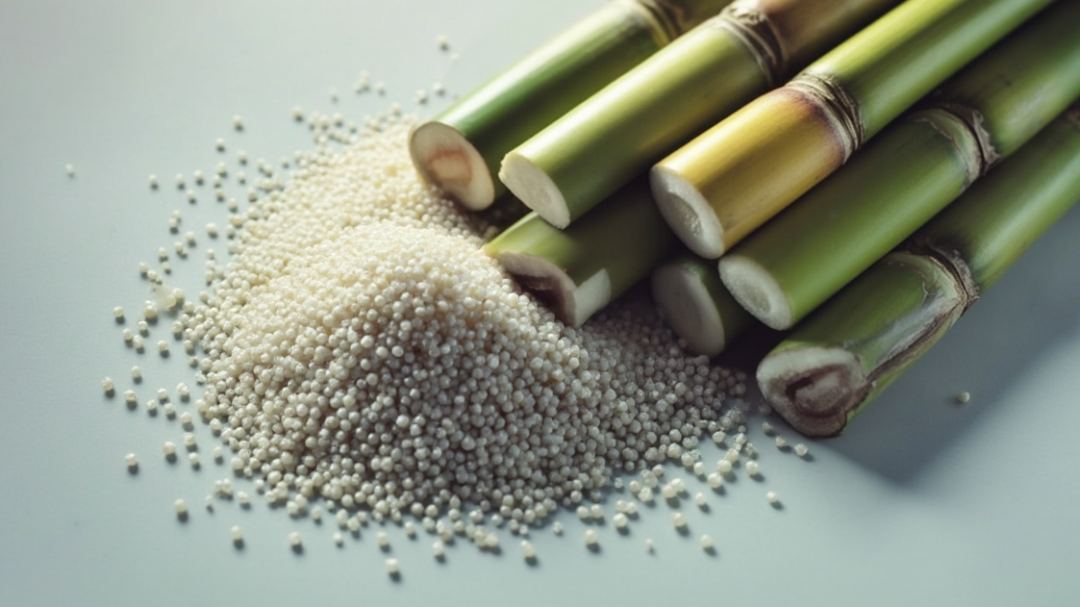
Green PE- Sugarcane-Based Polyethylene
The world’s most widely used plastic can be made without a single drop of crude oil.