
Advancements in material science and processing technologies are creating exciting opportunities to integrate LFTs into a more circular economy.
Recyclability of Long Fiber Thermoplastics
Long fiber thermoplastics (LFTs) are revolutionizing industries that demand lightweight, high-strength materials, such as automotive, aerospace, and industrial manufacturing. With their exceptional durability, impact resistance, and structural integrity, LFTs are enabling the shift toward more efficient and sustainable product designs.
Retaining Fiber Strength for Reuse
One of the key challenges in recycling LFTs has been fiber degradation during reprocessing. However, new mechanical recycling techniques are being developed to retain fiber length, ensuring that the recycled material maintains high-performance properties. With controlled processing conditions and advanced pelletizing methods, recycled LFTs can continue to serve demanding applications.
Innovations in Chemical Recycling
Chemical recycling methods are gaining traction as effective ways to recover high-value fibers and thermoplastics. These processes allow for the selective breakdown of the polymer matrix while preserving the reinforcing fibers. As these technologies become more energy-efficient and scalable, they are opening doors to a more sustainable future for LFTs.
Hybrid Recycling for Maximum Efficiency
By combining mechanical and chemical recycling, manufacturers can maximize material recovery while minimizing waste. This hybrid approach ensures that both the fibers and the polymer matrix are reclaimed efficiently, leading to high-quality recycled materials that can be reintegrated into production without significant loss of performance.

The industry is also making strides in Design for Recycling (DfR), ensuring that LFT products are created with end-of-life considerations in mind. By selecting compatible fiber-polymer combinations, reducing complex additives, and optimizing part design, manufacturers are actively improving the recyclability of LFT components.
The recyclability of long fiber thermoplastics is no longer an insurmountable challenge—it is an area of rapid progress and innovation. With continued research, investment, and collaboration across industries, LFTs are poised to become an integral part of a circular economy. As recycling technologies evolve and material science pushes new boundaries, the vision of high-performance, fully recyclable LFTs is within reach.
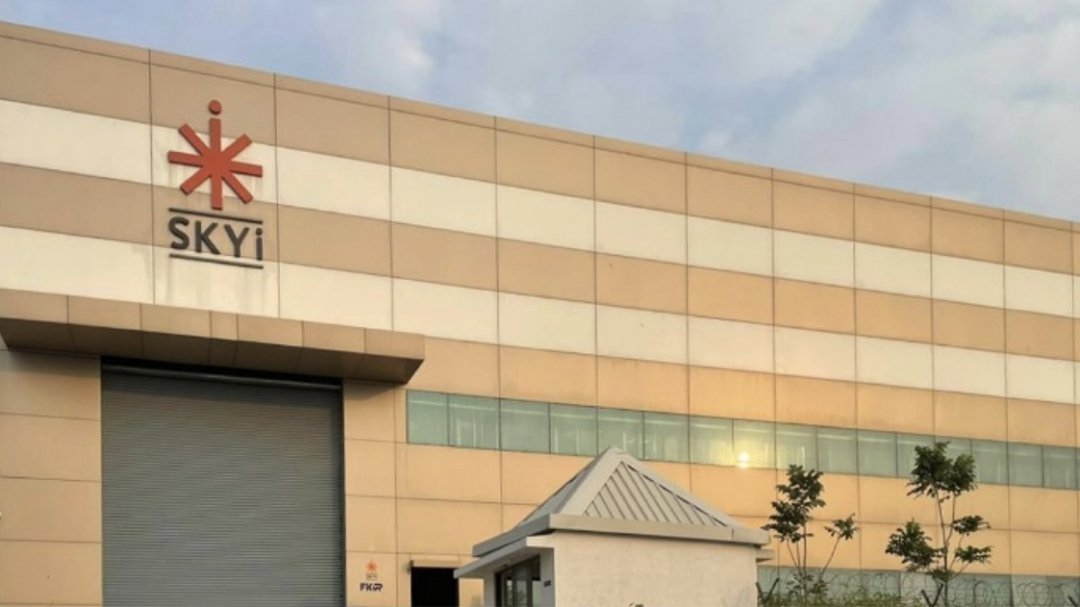
SKYi Composites — Plant Capabilities & Technology
Redefining polymer compounding in India with advanced infrastructure built for high-performance thermoplastic compounds…

PP LFT for Household Furniture
Household Furniture Using PP LFT: Stronger, Lighter and More Sustainable Furniture Solutions
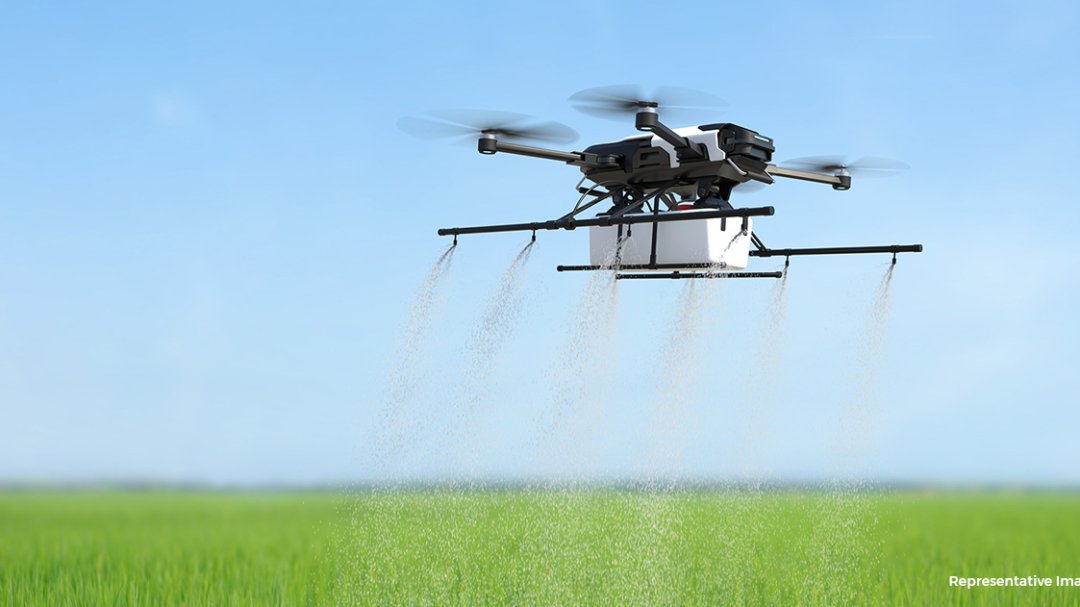
How LFTs Are Transforming Drone Propeller Manufacturing
How Long Fiber Thermoplastics (LFTs) help drone manufacturers produce lightweight, durable, impact-resistant rotor…

What Are Long Fiber Thermoplastics?
Long fiber thermoplastics (LFTs) combine durability, recyclability, and lightweight design, making them ideal for…