

What Are Long Fiber Thermoplastics?
Articles_Comp
Long fiber thermoplastics (LFTs) are advanced composite materials that combine continuous reinforcements with thermoplastic polymer matrices to create lightweight yet highly durable materials. The fibers, typically glass, carbon, or natural cellulose, are significantly longer than those found in short-fiber composites, usually measuring between 10 mm and 25 mm. The extended fiber length improves LFTs' mechanical properties- strength, stiffness, and impact resistance.
LFT Processing
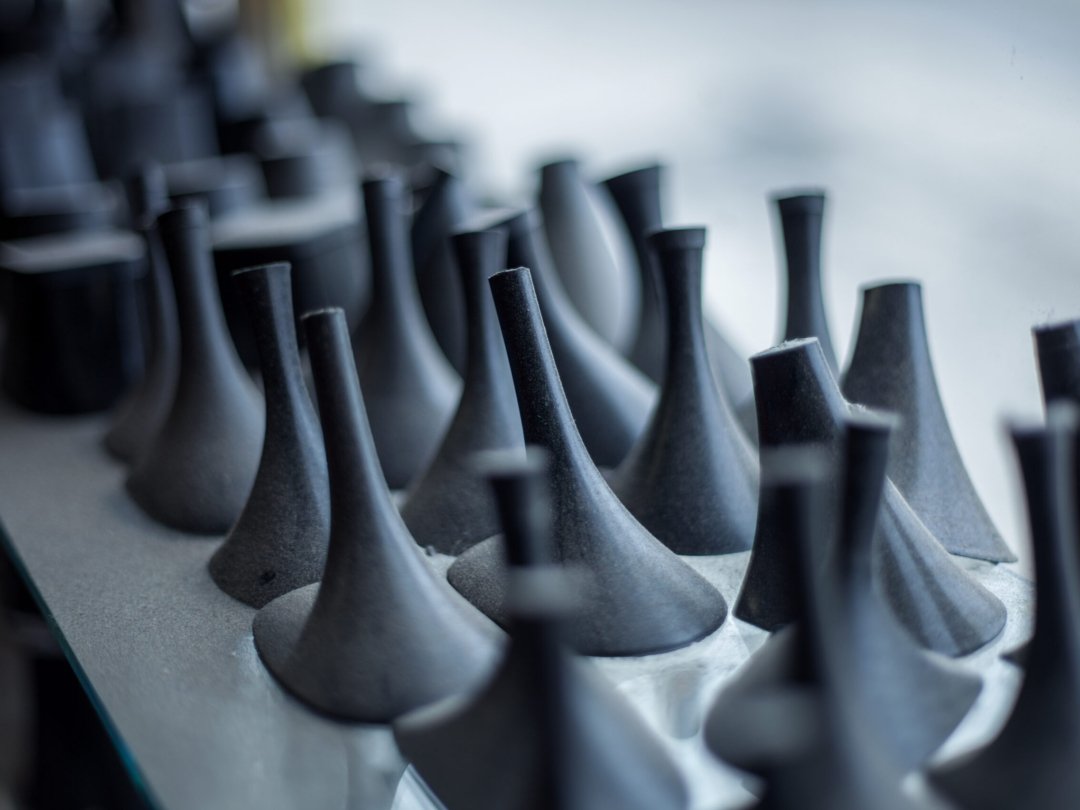
LFTs are processed through methods such as injection molding, compression molding, and extrusion, allowing for efficient, scalable production across industries. The long fibers in these composites create an interconnected network within the thermoplastic matrix, improving load distribution and overall structural integrity. Popular thermoplastics used in LFTs include polypropylene, polyamide, and polyesters.
Industry Adoption
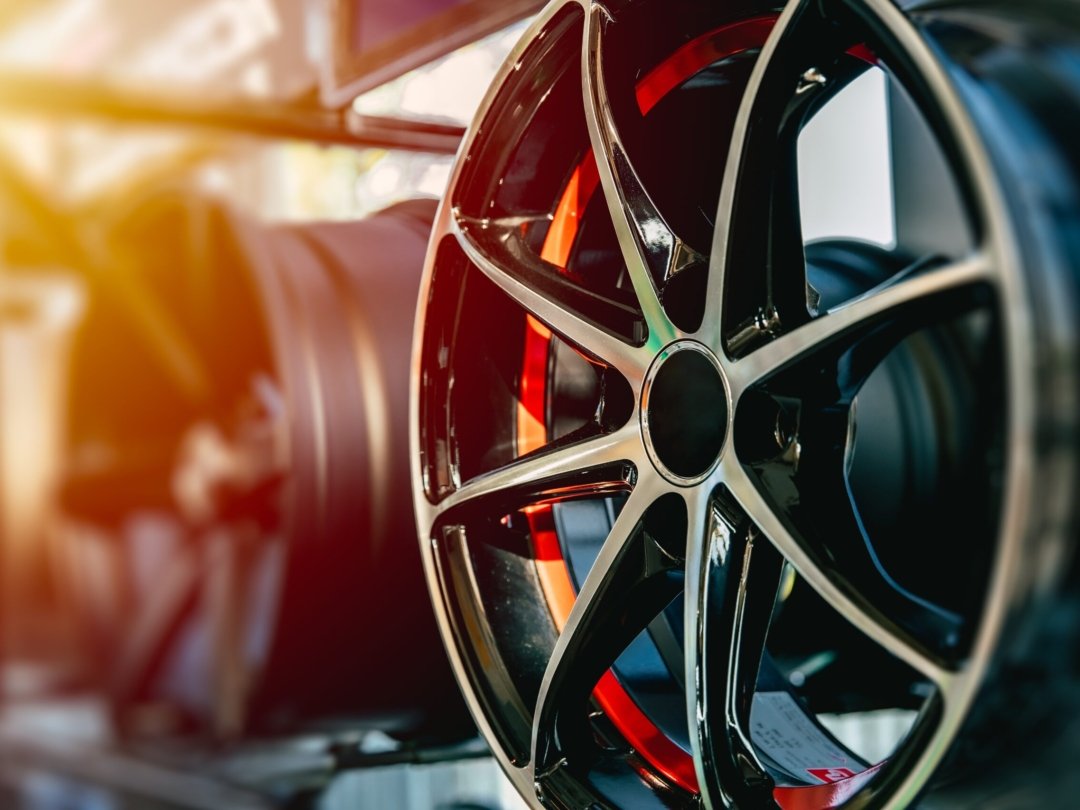
Industries such as automotive, aerospace, and consumer electronics use these composites for their high performance-to-weight ratio, offering a viable alternative to traditional materials like metal. A balance of superior properties and scalability in manufacturing is contributing to their growing adoption in applications like household appliances, electronics, agricultural equipment, and furniture.
Sustainability in LFTs
Long fiber thermoplastics (LFTs) are also gaining attention for their sustainability advantages. Certain LFT formulations incorporate bio-based polymer matrices and natural fibers, further reducing their carbon footprint. With increasing demand for environmentally friendly materials, LFTs offer a sustainable advantage by being recyclable and repurposable, reducing material waste compared to traditional composites.
Long fiber thermoplastics (LFTs) offer exceptional strength, durability, and sustainability, making them a versatile solution for industries seeking lightweight, high-performance materials that align with the industry’s growing environmental responsibility.

What Are Long Fiber Thermoplastics?
Long fiber thermoplastics (LFTs) combine durability, recyclability, and lightweight design, making them ideal for…

Long Vs Short Fiber Composites
LFTs offer superior strength and durability, compared to traditional solutions for demanding applications.

Comparing Long Fiber Thermoplastics to Metals
Long fiber thermoplastics (LFTs) challenge metals in weight reduction, cost efficiency, and design flexibility,…

Impact of Fiber Orientation on Strength
Fiber orientation in long fiber thermoplastics (LFTs) directly influences strength, stiffness, and durability.…


Long Vs Short Fiber Composites
Articles_Comp
Fiber-reinforced thermoplastics have revolutionized manufacturing by offering lightweight yet strong alternatives to traditional materials like metal and thermosets. LFTs and SFTs are significantly different in performance, processing, and applications. Understanding these differences helps in selecting the right material for specific industrial needs. Today, LFTs are replacing high-density, expensive SFTs due to their superior performance and cost-effectiveness.
Strength and Mechanical Performance
LFTs excel in high-performance applications due to their long, continuous fibers that significantly improve tensile strength, impact resistance, and durability. The fiber length allows for better load distribution, making LFTs ideal for automotive, aerospace, and structural applications. SFTs, on the other hand, are better suited for moderate-stress environments, where strength is needed but not critical.
Weight Reduction and Design Flexibility
LFTs allow manufacturers to replace metals while maintaining high-strength, lightweight properties, an essential advantage in automotive structures and aerospace panels. Their improved fatigue resistance also extends product lifespans. SFTs offer greater design flexibility by flowing into thinner walls with fine details while remaining highly robust.
Thermal and Environmental Resistance
LFTs excel in high-temperature environments, maintaining strength under thermal cycling, making them ideal for automotive and industrial applications. SFTs offer excellent chemical and moisture resistance, ensuring durability in electronics and consumer products. Both materials provide UV stability and thermal insulation, enhancing performance in demanding conditions across various industries.
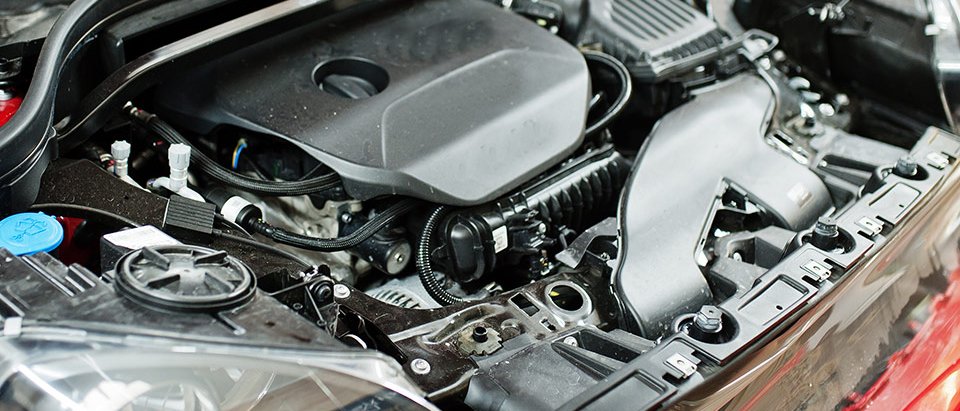
Choosing between LFTs and SFTs depends on the application’s mechanical demands, weight constraints, and processing requirements. By understanding these distinctions, manufacturers can optimize material selection for performance, cost, and efficiency.
What Are Long Fiber Thermoplastics?
Long fiber thermoplastics (LFTs) combine durability, recyclability, and lightweight design, making them ideal for…
Long Vs Short Fiber Composites
LFTs offer superior strength and durability, compared to traditional solutions for demanding applications.
Comparing Long Fiber Thermoplastics to Metals
Long fiber thermoplastics (LFTs) challenge metals in weight reduction, cost efficiency, and design flexibility,…
Impact of Fiber Orientation on Strength
Fiber orientation in long fiber thermoplastics (LFTs) directly influences strength, stiffness, and durability.…
Comparing Long Fiber Thermoplastics to Metals
Articles_Comp
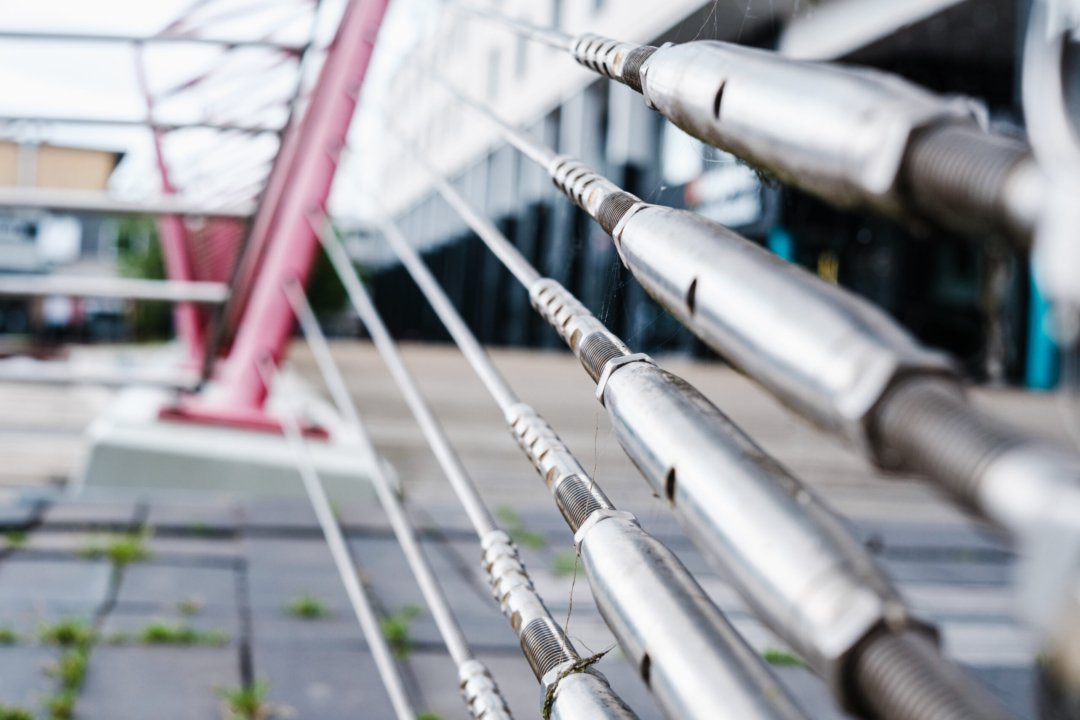
LFTs are up to 50% lighter than metals and offer a high strength-to-weight ratio, making them ideal for some automotive and aerospace applications where weight reduction is critical without sacrificing performance. Reducing weight in these sectors enhances fuel efficiency, lowers emissions, and extends component lifespan without compromising structural integrity.
Corrosion Resistance and Design Flexibility
Unlike metals, LFTs are inherently resistant to moisture and chemicals, eliminating the need for coatings to prevent rust. Beyond manufacturing efficiency, LFTs often result in lower overall costs due to reduced energy consumption in production, fewer secondary processes (like welding or corrosion protection), and minimal maintenance requirements over their lifespan. This makes them an attractive option for industries seeking cost-effective alternatives to traditional metals.
Impact Resistance and Durability
LFTs offer excellent impact resistance, making them ideal for crash-resistant automotive panels and protective gear. Their ability to absorb and dissipate energy helps reduce damage in high-impact scenarios. However, while LFTs effectively absorb sudden impacts and metals offer superior fatigue resistance under repeated stress cycles, LFTs are increasingly becoming the preferred choice for high-load mechanical components due to their lightweight nature, corrosion resistance, and ability to integrate various functional parts.
Applications and Limitations
In automotive applications, LFTs are used for instrument panels, front-end modules, and structural seat components. In outdoor equipment, they are found in sporting goods, power tools, and weather-resistant furniture. Their growing role in consumer electronics, like lightweight washing machine components and kitchen appliance casings, further demonstrates their versatility.
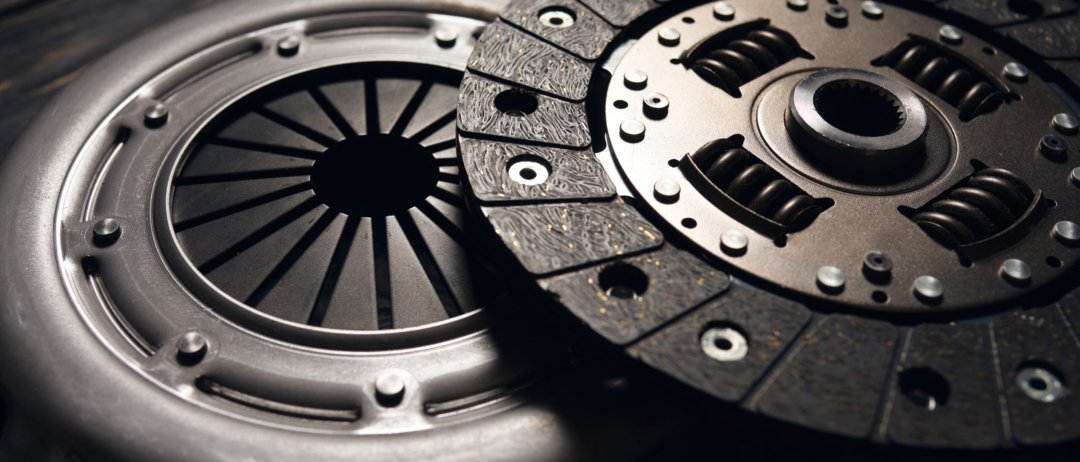
The choice between LFTs and metals depends on application-specific requirements. For industries prioritizing lightweight, corrosion-resistant, and cost-effective materials, LFTs continue to gain traction as a versatile and sustainable alternative to traditional metals, shaping the future of high-performance manufacturing.
What Are Long Fiber Thermoplastics?
Long fiber thermoplastics (LFTs) combine durability, recyclability, and lightweight design, making them ideal for…
Long Vs Short Fiber Composites
LFTs offer superior strength and durability, compared to traditional solutions for demanding applications.
Comparing Long Fiber Thermoplastics to Metals
Long fiber thermoplastics (LFTs) challenge metals in weight reduction, cost efficiency, and design flexibility,…
Impact of Fiber Orientation on Strength
Fiber orientation in long fiber thermoplastics (LFTs) directly influences strength, stiffness, and durability.…
Impact of Fiber Orientation on Strength
Articles_Comp
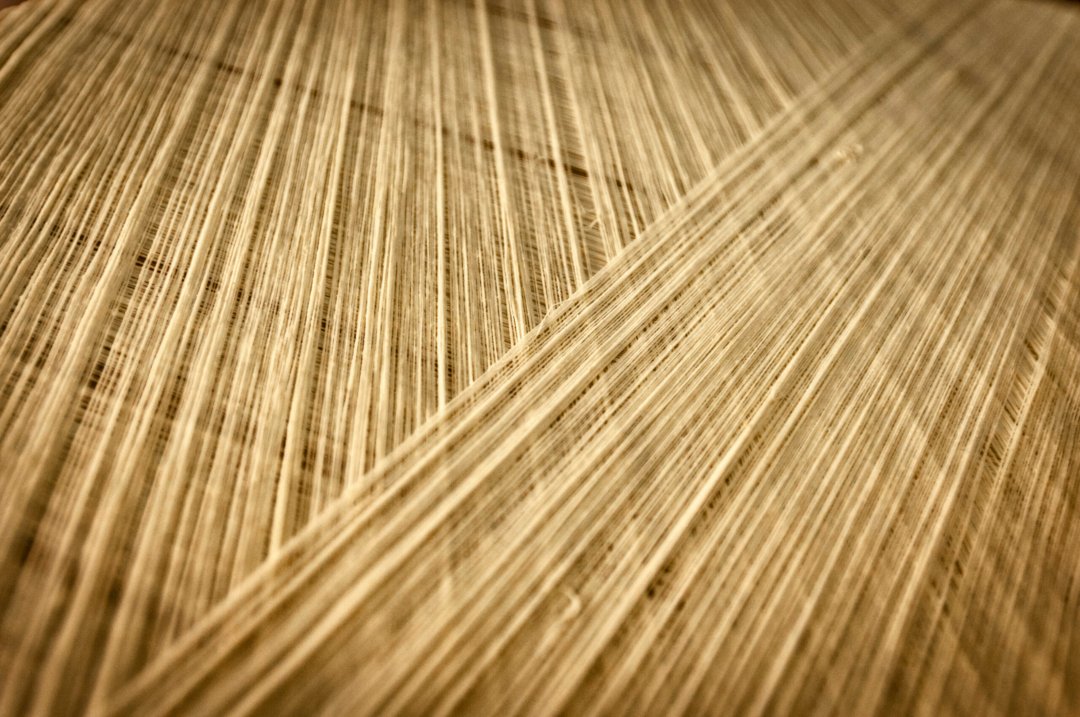
Fiber orientation is a critical factor influencing the mechanical properties of long fiber thermoplastics (LFTs). During manufacturing, fiber alignment follows the material flow within the thermoplastic matrix, significantly influencing its mechanical properties. This alignment affects the strength, stiffness, and overall performance of the final product.
Optimizing Fiber Alignment for Enhanced Mechanical Performance
When fibers align in the direction of the applied load, the composite demonstrates maximum tensile strength and stiffness. Conversely, misalignment or random orientation reduces the material’s load-bearing capacity, tensile strength, and stiffness. Advanced processing techniques, such as injection molding with optimized flow control, are employed to ensure fibers align favorably within the matrix.
Role of Fiber Orientation in Impact Resistance and Anisotropy
Fiber orientation also plays a role in impact resistance. A well-aligned fiber network absorbs and dissipates energy more efficiently, reducing stress concentrations and preventing premature failure under dynamic loads. Designers must account for anisotropy, i.e. differences in properties depending on the direction of fiber alignment, when creating LFT components.
Techniques for Monitoring and Controlling Fiber Orientation
Monitoring fiber orientation during manufacturing is crucial for consistent LFT performance. Advanced tools like computational simulations and micro-computed tomography (micro-CT) optimize fiber alignment in real time. These technologies enable precise adjustments to processing parameters, enhancing mechanical properties while reducing waste and ensuring reliable products.

Optimizing fiber orientation allows manufacturers to maximize LFT performance in automotive, aerospace, and industrial applications, leading to stronger, longer-lasting, and more reliable components.
What Are Long Fiber Thermoplastics?
Long fiber thermoplastics (LFTs) combine durability, recyclability, and lightweight design, making them ideal for…
Long Vs Short Fiber Composites
LFTs offer superior strength and durability, compared to traditional solutions for demanding applications.
Comparing Long Fiber Thermoplastics to Metals
Long fiber thermoplastics (LFTs) challenge metals in weight reduction, cost efficiency, and design flexibility,…
Impact of Fiber Orientation on Strength
Fiber orientation in long fiber thermoplastics (LFTs) directly influences strength, stiffness, and durability.…

Recyclability of Long Fiber Thermoplastics
Articles_Comp
Long fiber thermoplastics (LFTs) are revolutionizing industries that demand lightweight, high-strength materials, such as automotive, aerospace, and industrial manufacturing. With their exceptional durability, impact resistance, and structural integrity, LFTs are enabling the shift toward more efficient and sustainable product designs.
Retaining Fiber Strength for Reuse
One of the key challenges in recycling LFTs has been fiber degradation during reprocessing. However, new mechanical recycling techniques are being developed to retain fiber length, ensuring that the recycled material maintains high-performance properties. With controlled processing conditions and advanced pelletizing methods, recycled LFTs can continue to serve demanding applications.
Innovations in Chemical Recycling
Chemical recycling methods are gaining traction as effective ways to recover high-value fibers and thermoplastics. These processes allow for the selective breakdown of the polymer matrix while preserving the reinforcing fibers. As these technologies become more energy-efficient and scalable, they are opening doors to a more sustainable future for LFTs.
Hybrid Recycling for Maximum Efficiency
By combining mechanical and chemical recycling, manufacturers can maximize material recovery while minimizing waste. This hybrid approach ensures that both the fibers and the polymer matrix are reclaimed efficiently, leading to high-quality recycled materials that can be reintegrated into production without significant loss of performance.

The industry is also making strides in Design for Recycling (DfR), ensuring that LFT products are created with end-of-life considerations in mind. By selecting compatible fiber-polymer combinations, reducing complex additives, and optimizing part design, manufacturers are actively improving the recyclability of LFT components.
The recyclability of long fiber thermoplastics is no longer an insurmountable challenge—it is an area of rapid progress and innovation. With continued research, investment, and collaboration across industries, LFTs are poised to become an integral part of a circular economy. As recycling technologies evolve and material science pushes new boundaries, the vision of high-performance, fully recyclable LFTs is within reach.
What Are Long Fiber Thermoplastics?
Long fiber thermoplastics (LFTs) combine durability, recyclability, and lightweight design, making them ideal for…
Long Vs Short Fiber Composites
LFTs offer superior strength and durability, compared to traditional solutions for demanding applications.
Comparing Long Fiber Thermoplastics to Metals
Long fiber thermoplastics (LFTs) challenge metals in weight reduction, cost efficiency, and design flexibility,…
Impact of Fiber Orientation on Strength
Fiber orientation in long fiber thermoplastics (LFTs) directly influences strength, stiffness, and durability.…