

Bio-Flex Home Compost FX1821
Bioplastics
Bio-Flex® FX 1821 is a partly bio-based, home-compostable polymer compound designed for blown film applications requiring high strength. Depending on thickness, films produced from this material range from opaque to cream-colored. It is approved for food contact and certified home-compostable according to EN 13432 by TÜV Austria's OK Compost HOME program.
This biodegradable and home compostable polymer compound is designed for blown film applications. It is certified as home compostable under EN 13432 (at ambient temperature) with a maximum thickness of 32 µm. The opaque grades offer high tear resistance and toughness, making them suitable for thin-walled applications. Customer pilot tests have demonstrated that bag wall thickness can be reduced to as low as 8 µm.
Biobased carbon content
10%
Melt flow rate (190°C/2.16kg)
2.0 – 5.5 g/10 min
Recommended Processing
Blown Film Extrusion
Nothing found.
Other Bio-Flex Grades
Nothing found.

Terralene HD 4527
Bioplastics
Terralene HD 4527 is a high-density bioplastic compound composed of renewable resources, it offers a sustainable alternative to conventional plastics, balancing strength, durability, and processability. Designed for injection molding, it meets industrial demands while reducing environmental impact.
Terralene® HD 4527 is a highly biobased injection molding grade with properties similar to fossil PE-HD. It is characterized by excellent processability in injection molding applications, also on PP molds. Terralene® HD 4527 has a high rigidity and is dishwasher safe. It is also certified for contact with food.
Biobased carbon content
95%
Melt flow rate (190°C/2.16kg)
16.0 g/10 min
Recommended Processing
Injection Moulding
Nothing found.
Other Terralene Grades
Nothing found.
Resources
Information, FAQs and Resources
Nothing found.
Nothing found.
Frequently Asked Questions (FAQs)
Nothing found.
What Are Bioplastics?
Bioplastics
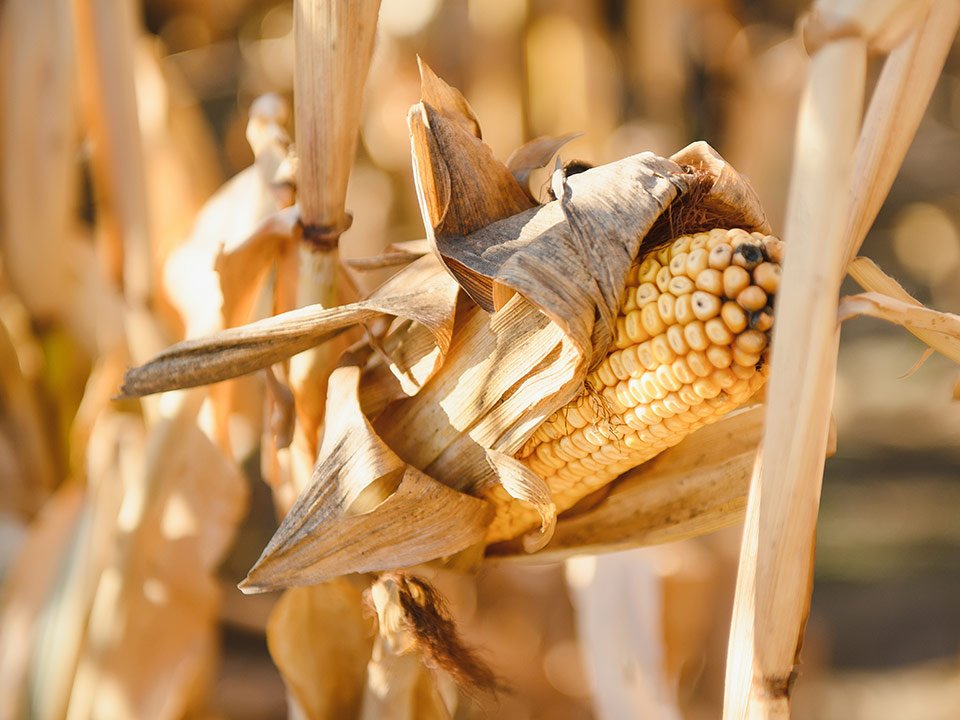
Bioplastics encompass a diverse family of materials derived from renewable biological sources, such as plant starches, vegetable fats, corn, sugarcane, and algae. Unlike conventional plastics made from fossil fuels, bioplastics aim to reduce dependence on non-renewable resources and minimize environmental impacts. Bioplastics are broadly classified into three categories – bio-based, non-biodegradable plastics; bio-based, biodegradable plastics; and fossil-based, biodegradable plastics.
Bio-Based, Non-Biodegradable Plastics
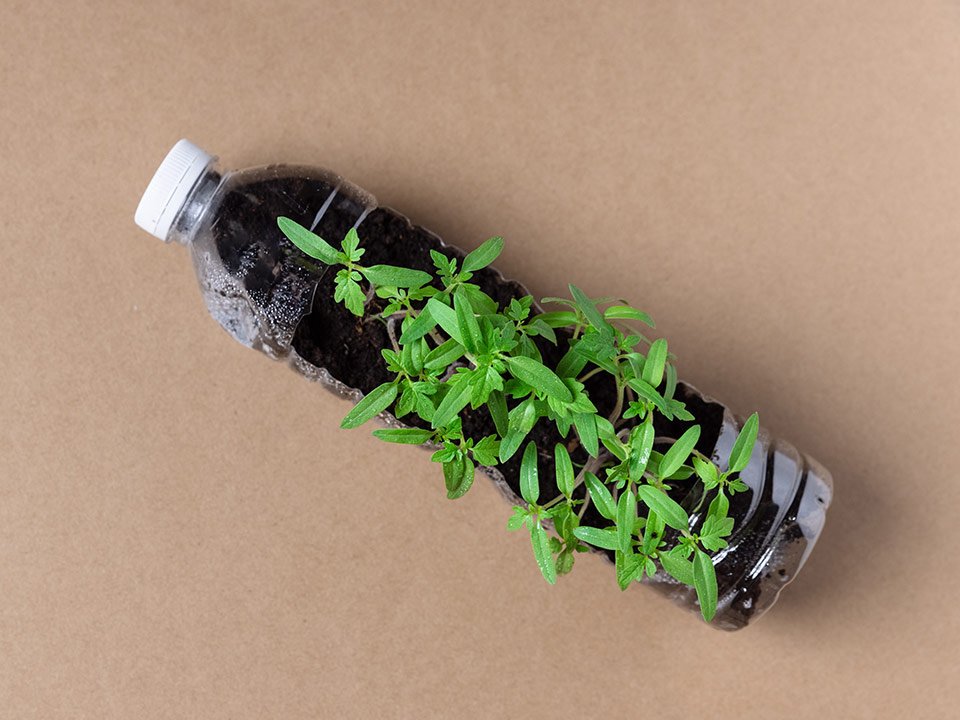
These plastics are made entirely or partially from renewable resources but are not biodegradable. Examples include bio-based polyethylene (Bio-PE) and bio-based polyethylene terephthalate (Bio-PET), which have identical chemical structures to their fossil-based counterparts and can be recycled in established systems.
Bio-Based, Biodegradable Plastics
These materials are derived from renewable resources such as corn starch, sugarcane, cellulose, and vegetable oils and can decompose under specific environmental conditions. They often require industrial composting facilities for proper breakdown. Examples include polylactic acid (PLA), used in packaging and disposable tableware, and starch-based blends commonly used in food packaging, agricultural films, and compostable bags.
Fossil-Based, Biodegradable Plastics
These plastics are synthesized from petroleum-based resources but are designed to break down under specific composting conditions. While they do not reduce fossil fuel dependence, they ensure faster degradation compared to traditional plastics when exposed to industrial composting environments. Polybutylene Adipate Terephthalate (PBAT) is one such composite, used in biodegradable films, agricultural mulch, and compostable packaging.
Bioplastics are used in various applications, including packaging, agriculture, medical devices, and consumer goods. While bioplastics still face challenges in production costs, material performance, and waste management, continued advancements in technology and infrastructure are driving their adoption across industries.
Nothing found.
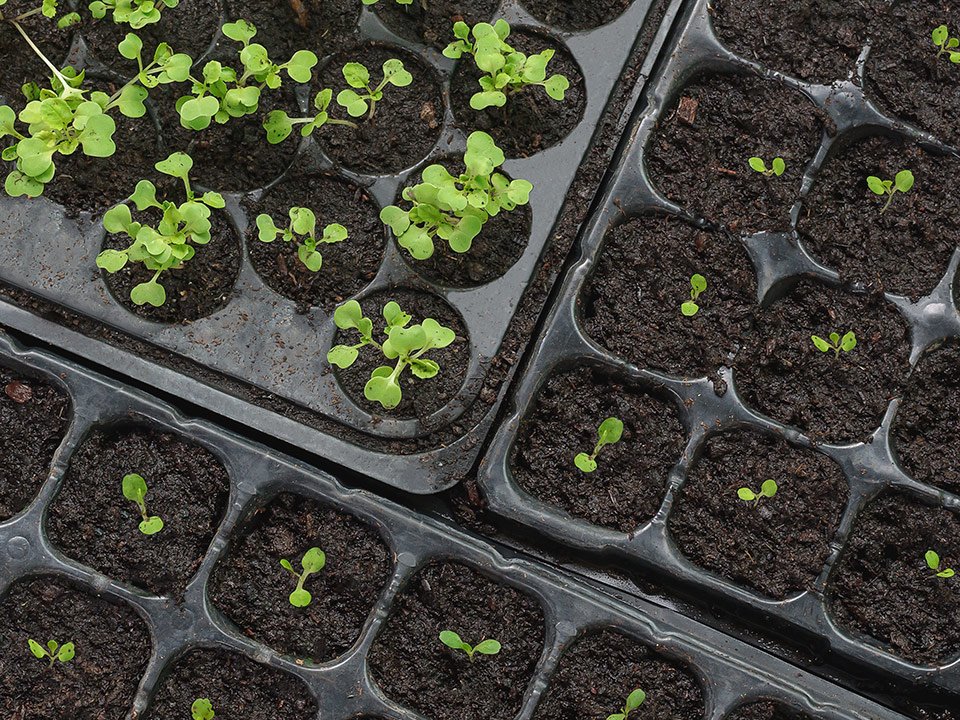
Circular Economy and Bioplastics
Bioplastics
A circular economy minimizes waste by keeping materials in use through recycling, reusing, and composting, replacing the traditional "take, make, dispose" model. Bioplastics support this system by integrating into composting and recycling, reducing reliance on fossil-based plastics. However, effective waste management infrastructure and policies are crucial for maximizing their benefits.
Composting Bioplastics
Composting is a natural process where biodegradable bioplastics break down into organic matter, reducing landfill waste and supporting soil health.
Industrial Composting – Biodegradable bioplastics like PLA and PHA decompose under controlled temperatures and microbial conditions, producing nutrient-rich compost.
Home Composting – Some bioplastics break down in lower temperatures in backyards, though decomposition takes longer and depends on environmental conditions.
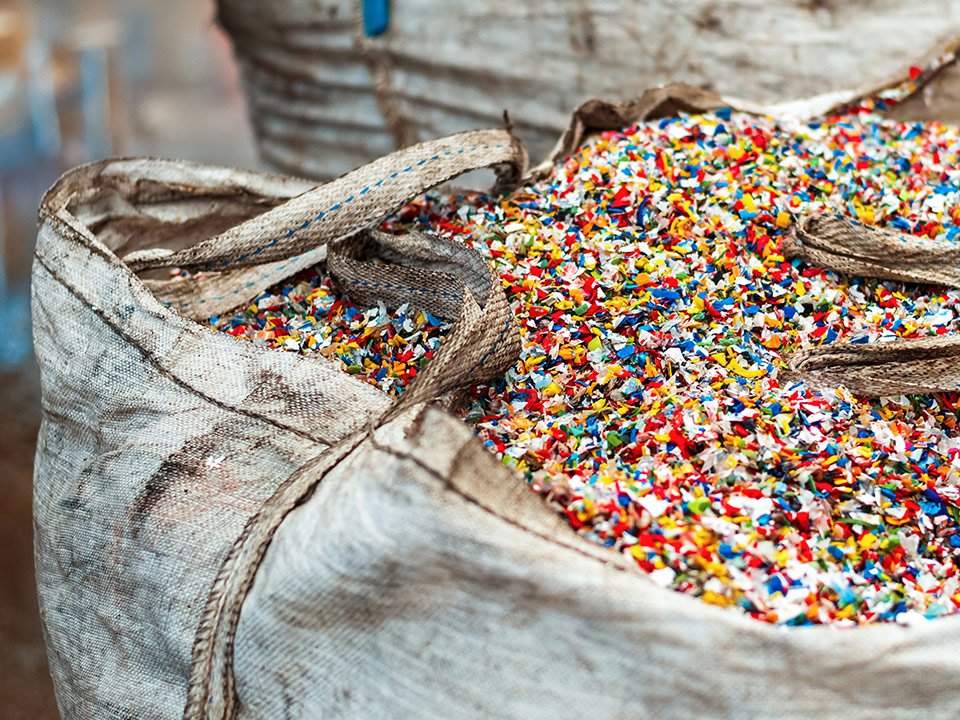
Recycling Bioplastics
Some bio-based plastics are recyclable rather than compostable, requiring proper sorting to avoid contamination.
Mechanical Recycling – Non-biodegradable bio-based plastics like Bio-PE and Bio-PET can be processed in existing recycling streams alongside conventional plastics.
Chemical Recycling – Advanced methods break bioplastics into basic building blocks, allowing the creation of new high-quality plastics, and reducing fossil-based material use.
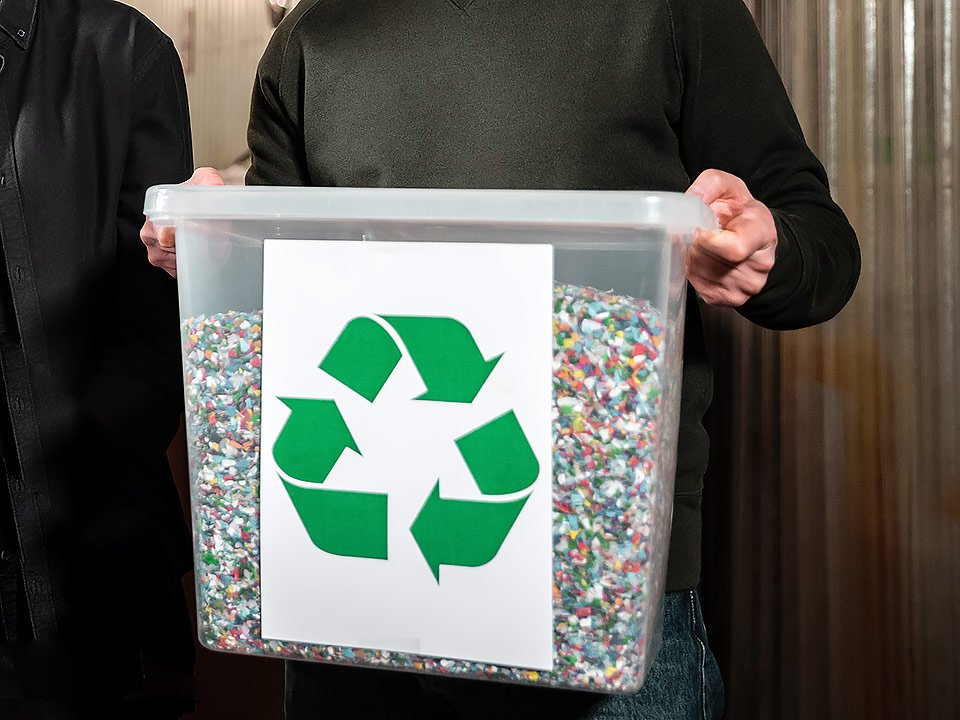
Strategy-Driven Circular Economy
Government strategies, incentives and regulations improve waste management systems and promote bioplastic adoption.
Infrastructure Development – Expand existing composting and recycling facilities to accommodate bioplastics, and introduce specialized plants for biodegradable bioplastics.
Consumer Education & Labeling – Introduce and spread awareness about clear labeling that ensures proper disposal and reduces contamination.
By integrating composting and recycling, bioplastics contribute to a sustainable, closed-loop economy, minimizing waste and conserving resources. However, advancing infrastructure, policy, and consumer awareness is essential to fully realize their potential.
Nothing found.
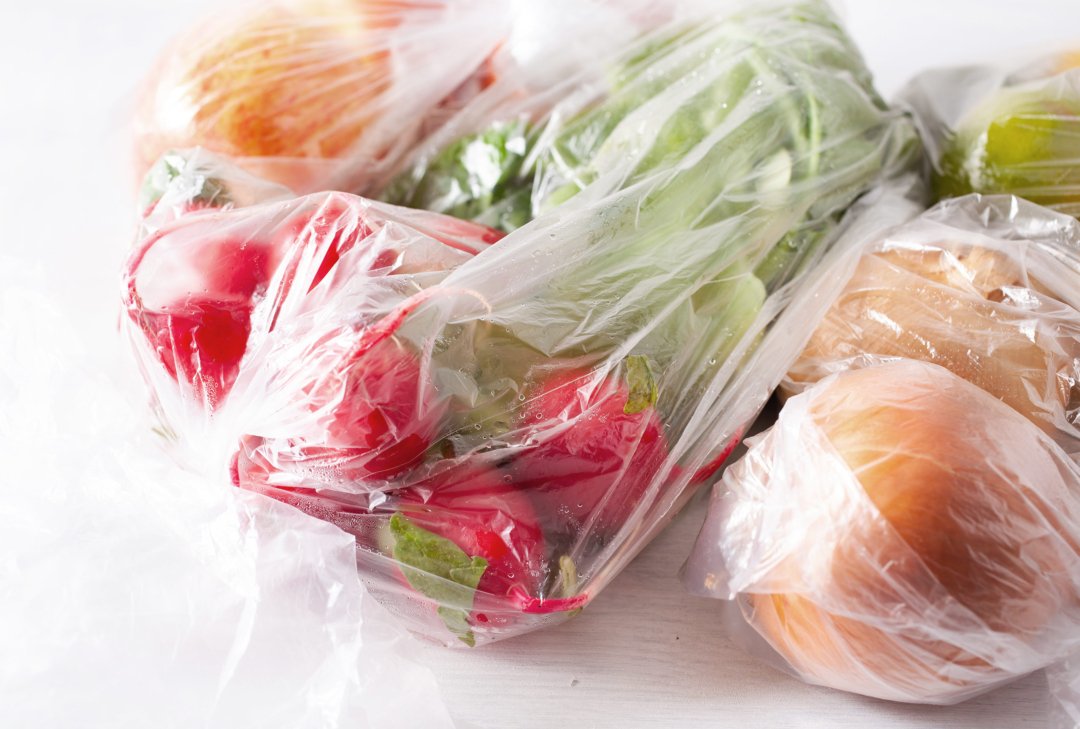
Bioplastics in Packaging
Bioplastics
The packaging industry is a major contributor to plastic waste, making it a key target for sustainable innovation. Conventional plastics from fossil fuels cause long-term pollution, while bioplastics, derived from renewable sources, offer an eco-friendly alternative by reducing reliance on non-renewable materials – Some of the biggest uses of bioplastics include packaging like biodegradable food and beverage containers for single-use items, flexible films for wrapping and preserving products, compostable shopping bags as eco-friendly alternatives, and disposable tableware like plates, cups, and cutlery.
Advantages of Bioplastics
Renewable Resources – Bioplastics are made from corn starch, sugarcane, cassava, and other plants, making them a more sustainable alternative.
Lower Carbon Footprint – Compared to petroleum-based plastics, bioplastics can reduce greenhouse gas emissions during production.
Biodegradability – Some bioplastics decompose naturally in industrial composting conditions, reducing landfill waste.
Obstacles to Bioplastic Adoption
Higher Cost – Production costs for bioplastics remain higher than conventional plastics, limiting mass adoption.
Material Performance – Some bioplastics lack heat resistance, durability, or barrier properties, making them unsuitable for certain packaging needs.
Limited Infrastructure – Composting and recycling facilities are not widely available, leading to mismanagement of bioplastic waste.
Future of Bioplastics
Innovation in Material Science – Ongoing research is crucial to enhance mechanical properties and improve scalability.
Consumer Education – Clear labeling and disposal guidelines can prevent bioplastics from ending up in the wrong waste streams.
Industry Collaboration – Governments, businesses, and NGOs must work together to expand composting infrastructure and regulate bioplastic use effectively.
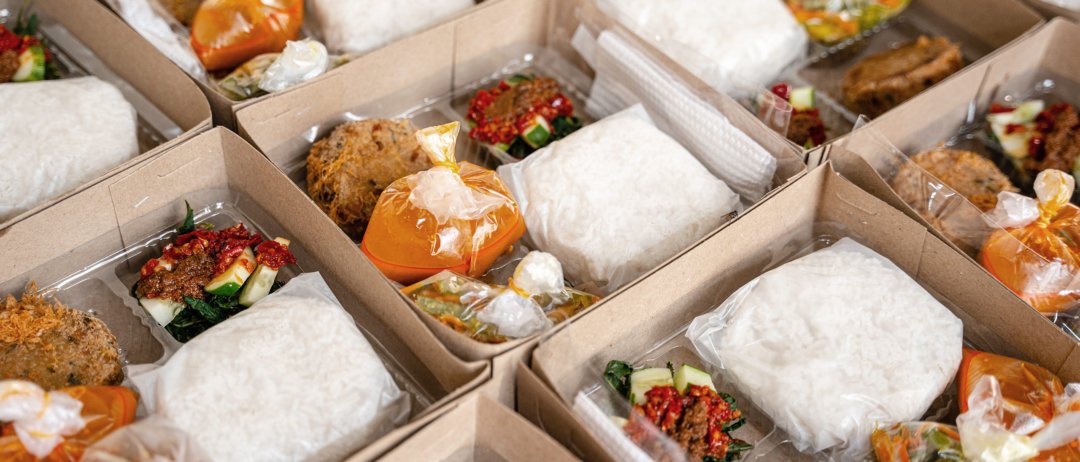
With a growing demand for eco-friendly consumer goods, bioplastics in packaging offer a promising solution to reduce environmental impact. However, continued innovation, policy support, and consumer awareness are essential to ensuring sustainable, long-term adoption.
Nothing found.

Bio-Based vs. Biodegradable
Bioplastics
In discussions about sustainable materials, the terms "bio-based" and "biodegradable" plastics are often used interchangeably. While both contribute to reducing plastic pollution, they serve different functions in sustainability efforts. Bio-based plastics focus on reducing fossil fuel dependence, whereas biodegradable plastics prioritize end-of-life disposal and decomposition. Understanding these differences is essential for making informed choices in packaging and product design.

Bio-Based Plastics
Derived from renewable sources like corn and sugarcane, bio-based plastics reduce reliance on fossil fuels and lower greenhouse gas emissions. However, they are not necessarily biodegradable. Examples include bio-based polyethylene and PET, which retain conventional plastic properties and can be recycled in existing systems.
Biodegradable Plastics
Biodegradable plastics break down into natural elements under controlled conditions, influenced by factors such as temperature, moisture, and microbial activity. They can be derived from renewable sources, like PLA, or fossil-based materials, like PBAT. Unlike recyclable plastics, they are specifically designed for composting, requiring proper infrastructure to degrade effectively.

Key Differences
Bio-based plastics are made from renewable resources and can be recycled, reducing fossil fuel dependence. Biodegradable plastics, designed for decomposition, require composting infrastructure to break down properly. While bio-based plastics help lessen reliance on petroleum, biodegradable plastics address waste management challenges by offering an alternative to conventional plastic disposal.
Bio-based plastics are ideal for durable, recyclable items, while biodegradable plastics are better for single-use products in compostable settings. Together, they can reduce environmental harm caused by traditional plastics.A combination of bio-based and biodegradable plastics, supported by improved waste infrastructure and consumer awareness, can reduce plastic pollution and drive a more circular economy.
Nothing found.
Thermoforming
Bioplastics
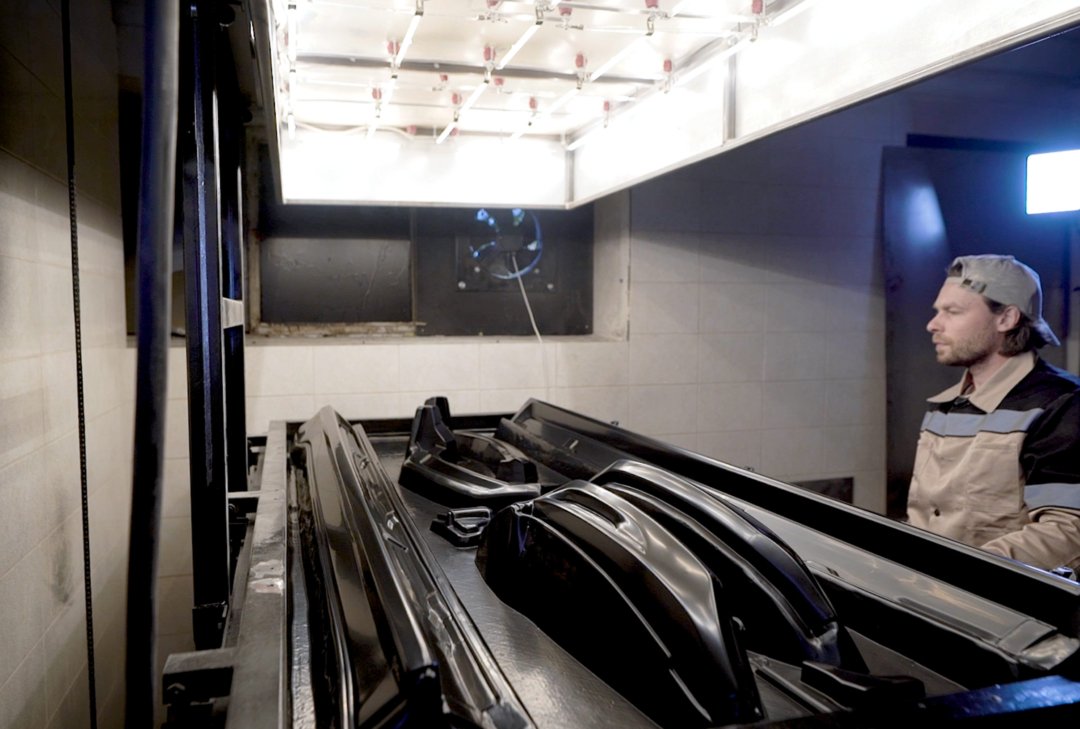
Thermoforming heats a polymer sheet until pliable, then forms it into a specific shape using vacuum or pressure. Applications include food packaging, automotive panels, and medical trays. Bioplastics such as PLA are widely used in thermoforming for creating biodegradable packaging and disposable trays. These materials provide an eco-friendly alternative while meeting industry requirements for performance and sustainability.
Explore recommended bioplastics or consult our SME for expert guidance. Skyi FKuR offers customized, scalable solutions in bioplastic processing.
Nothing found.
Other Processing Technologies
Nothing found.
Injection Moulding
Bioplastics
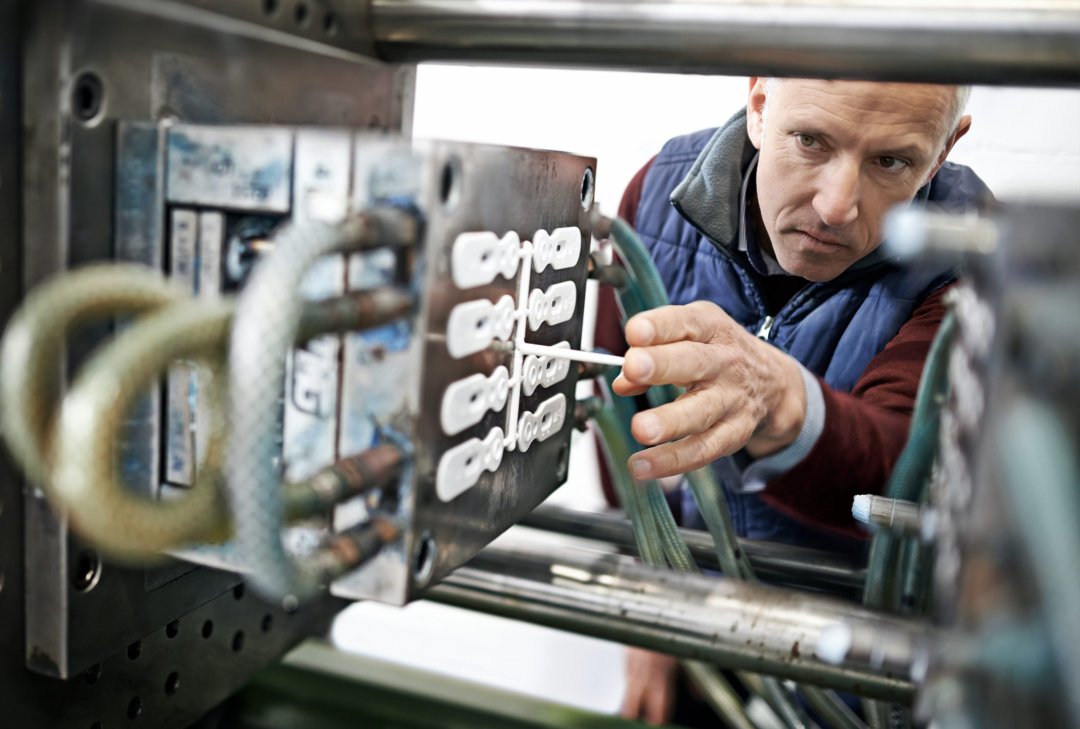
Injection molding injects molten polymer into a mold cavity under high pressure to produce complex parts. This highly versatile process is used across industries for automotive components, consumer goods, and medical devices. Bioplastics such as PLA and bio-nylons are increasingly used in injection molding for sustainable consumer goods, medical disposables, and packaging. Their use reflects the industry’s growing focus on environmental responsibility.
Explore recommended bioplastics or consult our SME for expert guidance. Skyi FKuR offers customized, scalable solutions in bioplastic processing.
Nothing found.
Other Processing Technologies
Nothing found.
3D Printing
Bioplastics
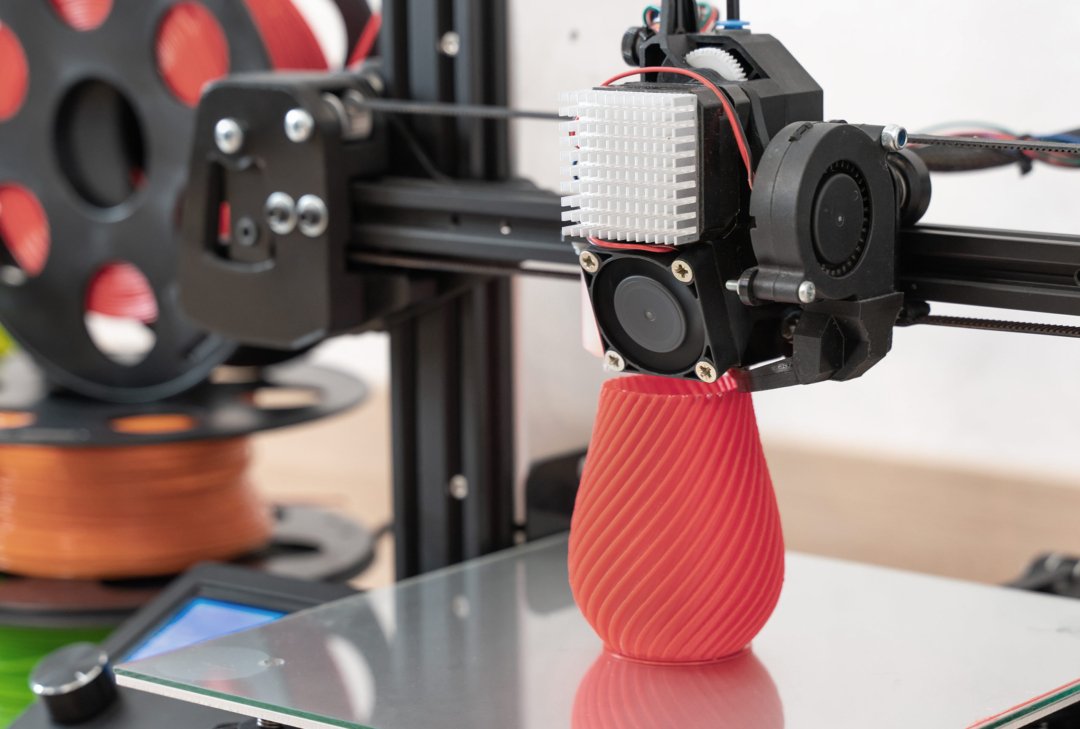
3D printing is a transformative additive manufacturing process that creates three-dimensional objects layer by layer using thermoplastic polymers such as PLA, ABS, or PETG. This technology is widely utilized in industries like aerospace, healthcare, and automotive for prototyping, tooling, and production of complex parts. Techniques like Fused Deposition Modeling (FDM) and Selective Laser Sintering (SLS) offer intricate geometries and high customization capabilities with minimal material waste.
Bioplastics such as PLA are highly compatible with 3D printing. Their ease of processing, biodegradability, and low environmental impact make them ideal for prototyping, consumer goods, and disposable applications. These materials address sustainability concerns while enabling the production of eco-friendly components.
Explore recommended bioplastics or consult our SME for expert guidance. Skyi FKuR offers customized, scalable solutions in bioplastic processing.
Nothing found.
Other Processing Technologies
Nothing found.